-
The Mobile Navigation Trap: Why Real Estate Websites Lose Half Their Leads on Phones (And How to Fix It)
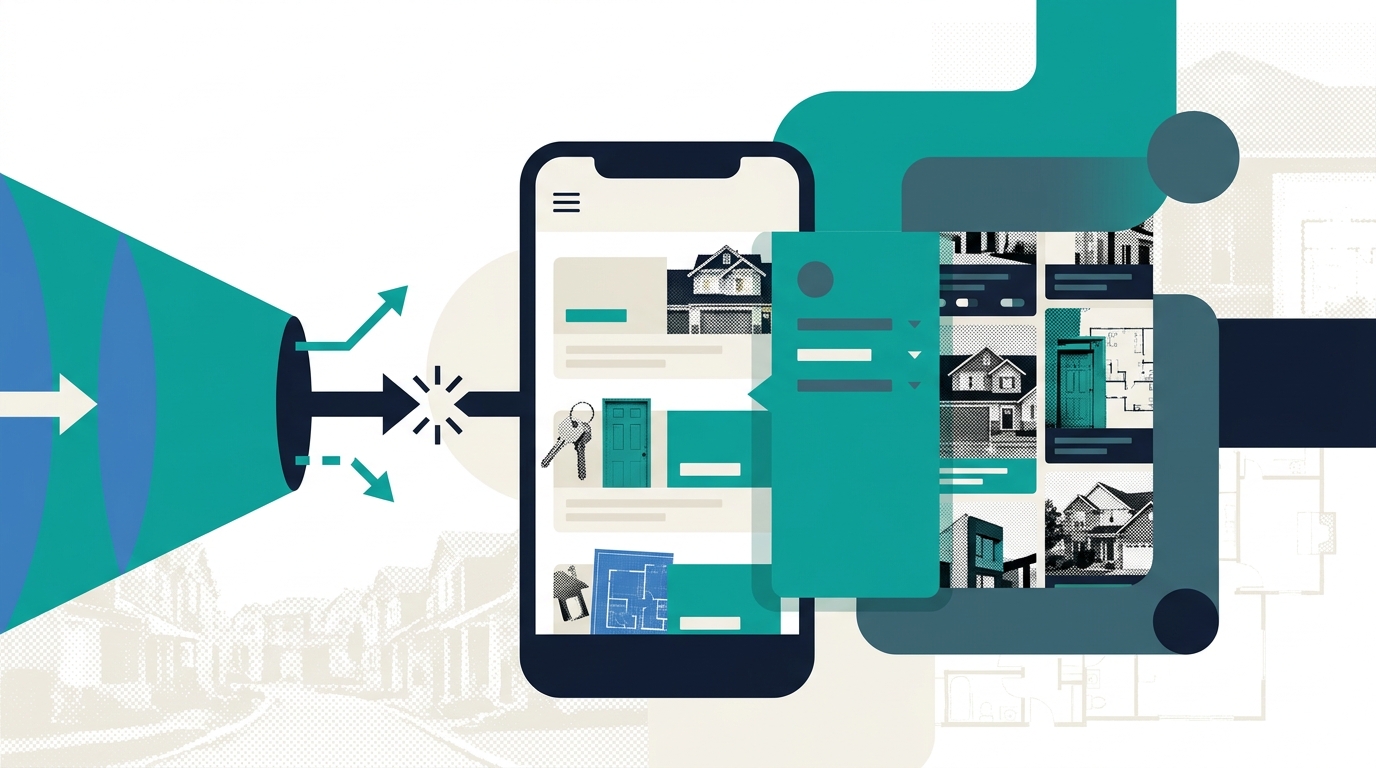
Four out of five real estate website visitors now arrive on a phone or tablet, according to Luxury Presence’s 2026 mobile analysis, yet desktop devices still produce a disproportionately larger share of actual lead conversions.
-
Information Architecture Over Aesthetics: Why Real Estate Website Organization Beats Beautiful Design in Lead Conversion

Real estate websites convert between 1% and 3% of visitors into leads, according to industry conversion data. The sites landing at 3% don’t win on visual polish — they win because their content structure matches the way buyers search for homes.
-
The Real Estate Website Speed Tax: How Core Web Vitals Benchmarking Reveals Hidden Lead Loss
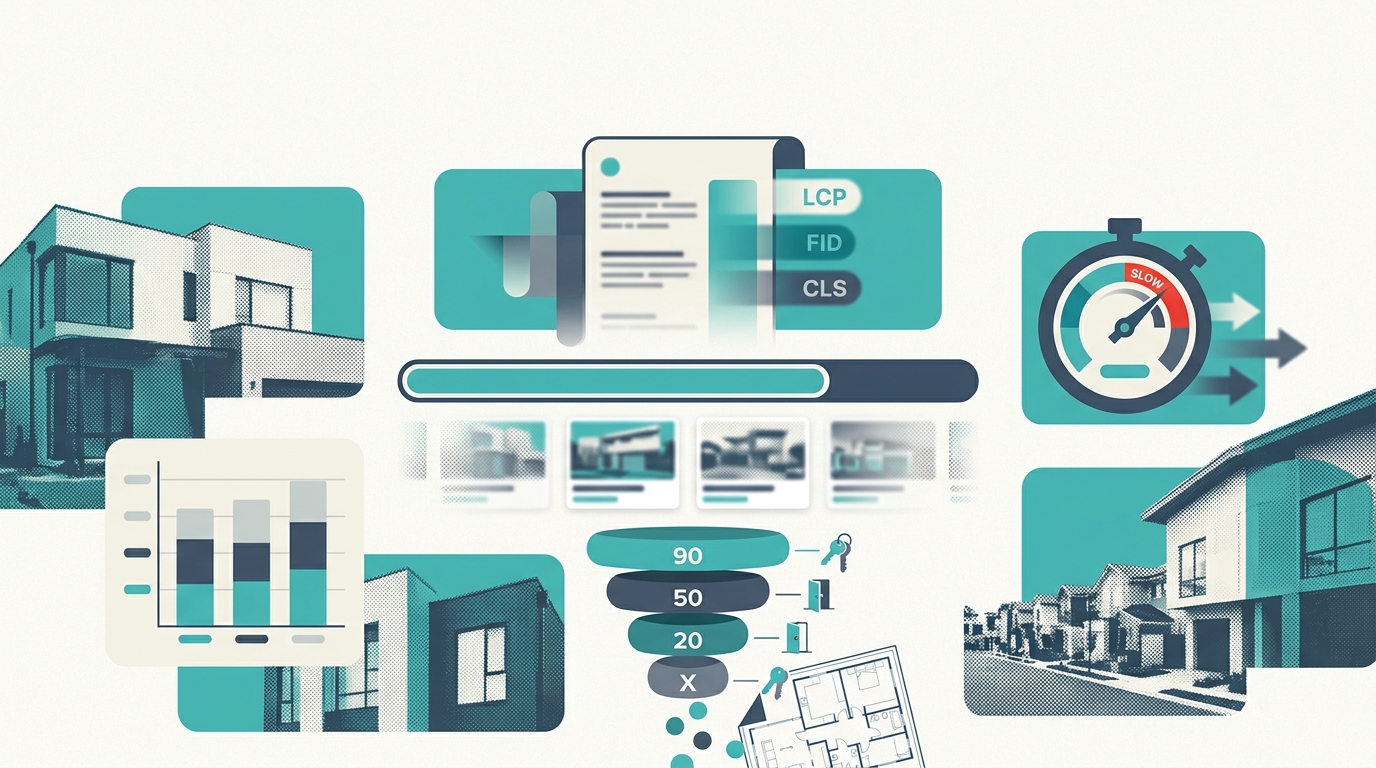
Google’s March 2026 core update lowered the “good” Largest Contentful Paint threshold from 2.5 seconds to 2.0 seconds, and agent sites that still load above the old cutoff have dropped 2 to 4 ranking positions on competitive local queries.
-
The Visual Hierarchy Audit: Why Your Real Estate Website’s Image Gallery Is Burying Conversion Opportunities

Three property website image layout patterns dominate agent sites: the full-bleed hero, the grid mosaic, and the narrative scroll. Each handles photos differently, and each buries or surfaces conversion opportunities in predictable ways.
-
The IDX Integration Checklist: Why Real Estate Websites Without Native MLS Connectivity Lose Leads to Competitors
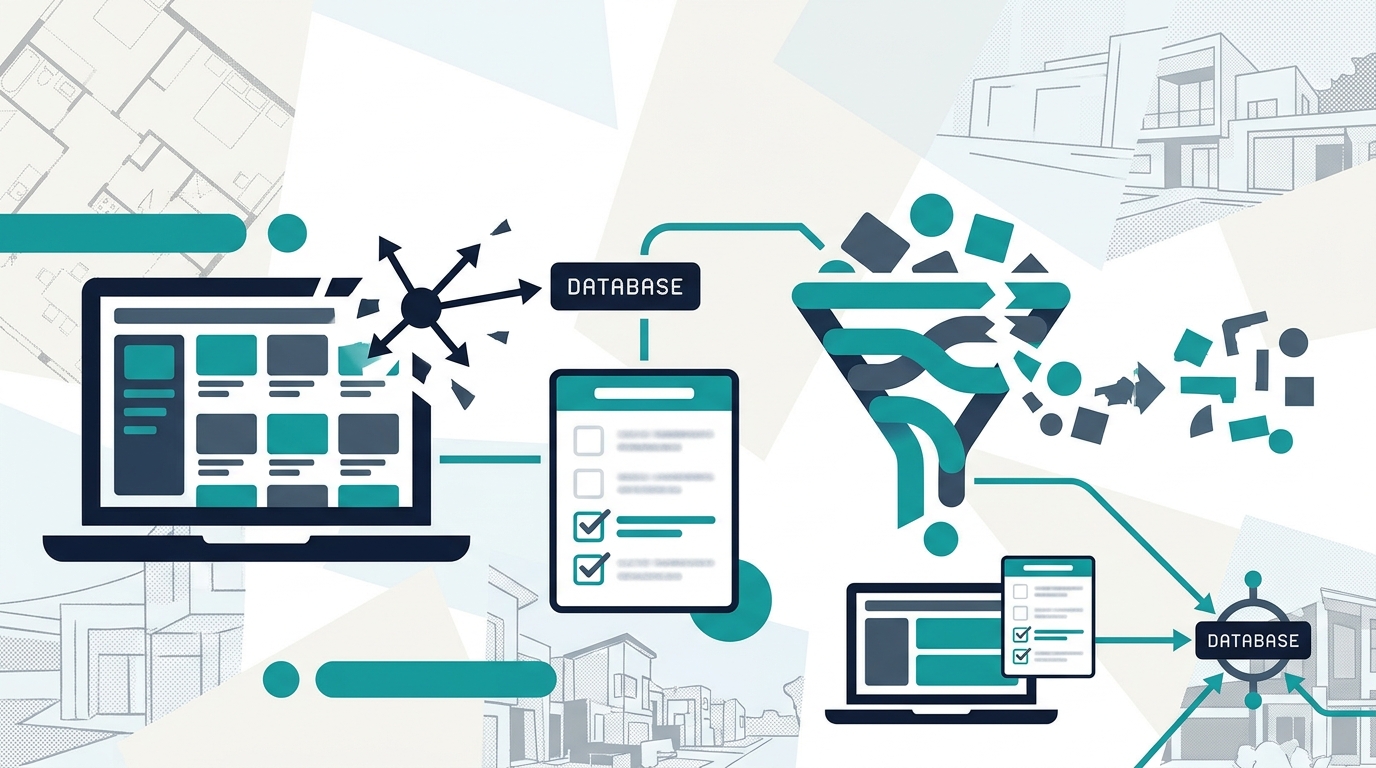
IDX (Internet Data Exchange) is the protocol that pulls MLS listing data onto your own website so buyers search your domain instead of Zillow’s. Getting IDX onto your site is the easy part.
-
The SEO Audit Checkpoint: Identifying What Breaks During Real Estate Website Migrations Before It Costs You Rankings
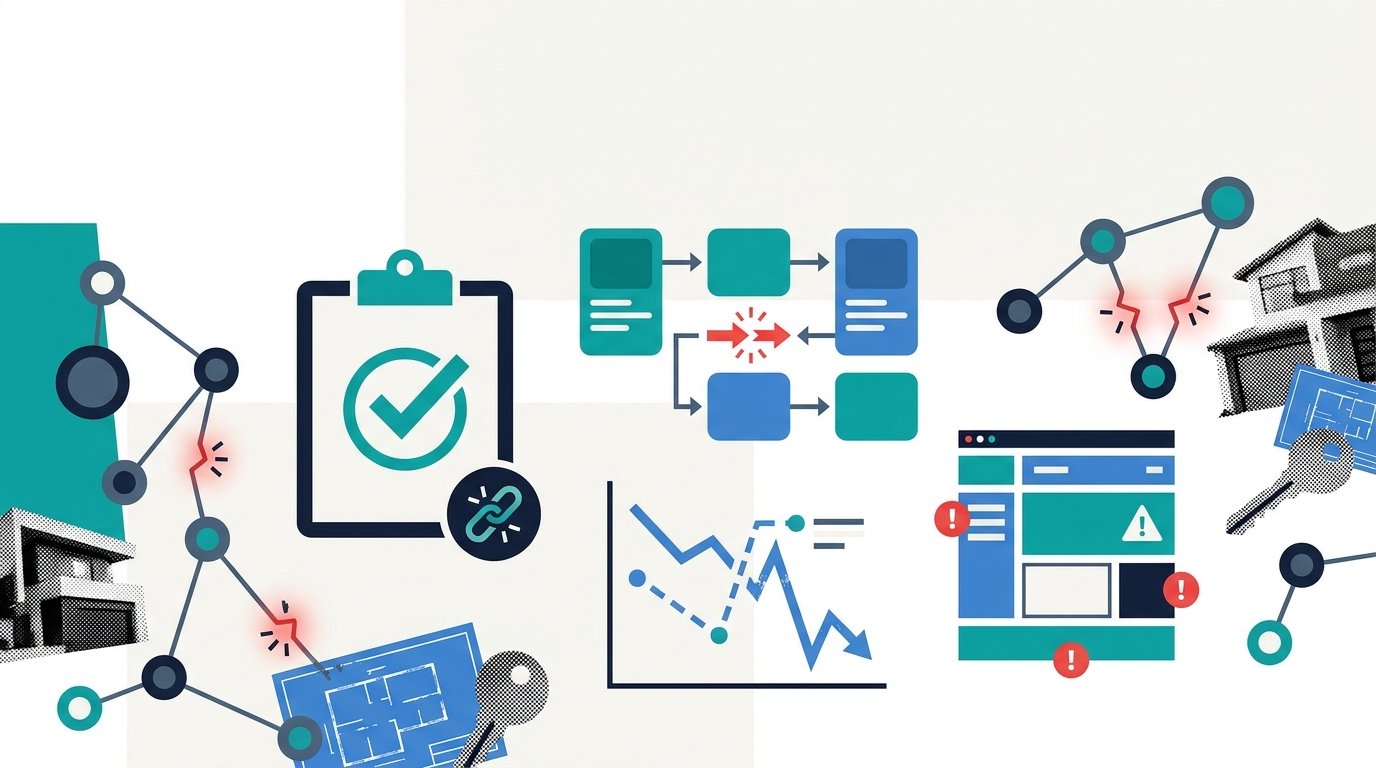
Redesigning your real estate website without a pre-migration SEO audit will erase 30–60% of your organic traffic, and recovery typically takes 3–6 months of emergency fixes. The redesign doesn’t cause the damage.
-
Why Your Real Estate Homepage Search Bar Is Costing You Leads: The Anti-Pattern Redesign Strategy
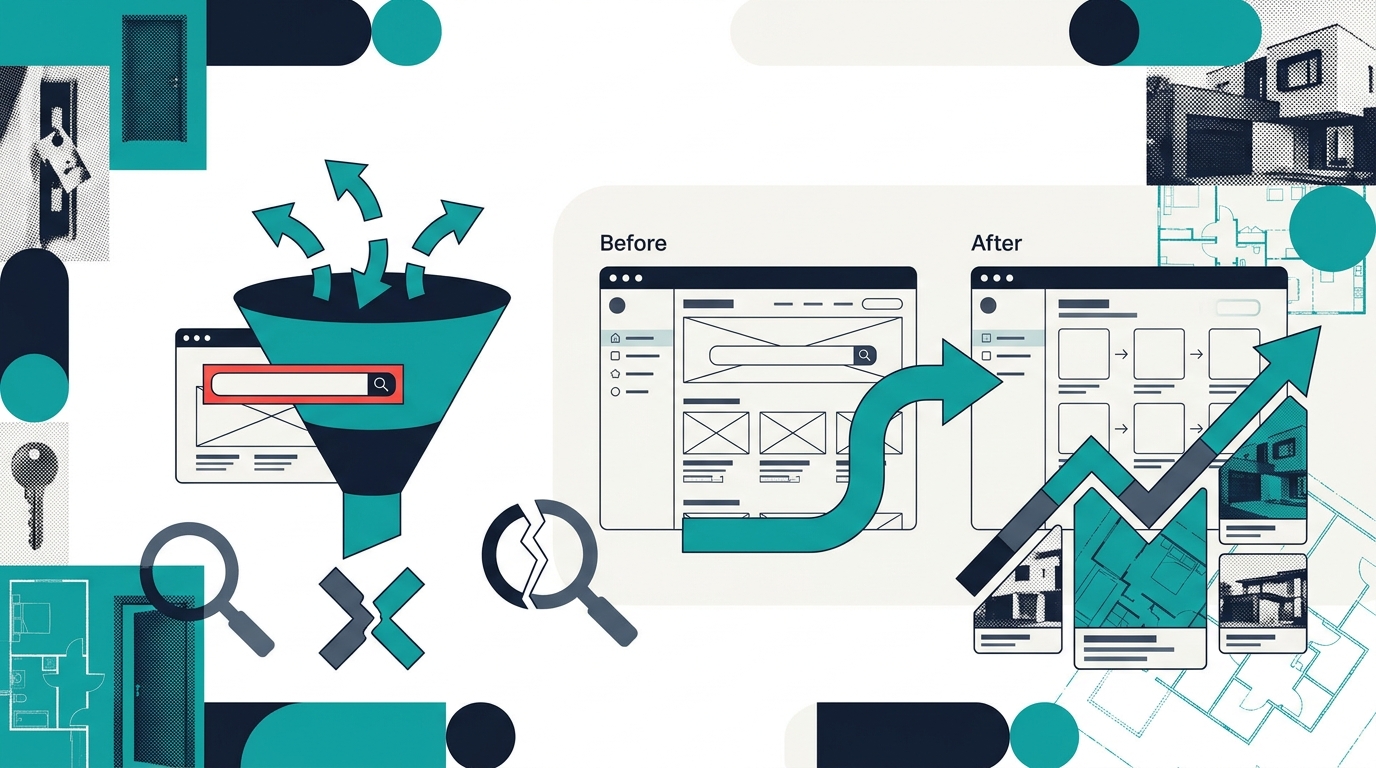
The conversion rate gap between a dedicated real estate landing page and a standard agent homepage runs roughly 10x: landing pages convert at 5% to 15%, while the typical homepage built around a prominent property search bar pulls 0.5% to 1.5%, according to industry data compiled by Contempo Themes.
-
The Website Builder Feature Bloat Problem: Which Real Estate Tools Actually Drive Leads vs. Drain Your Budget

Agents with well-optimized websites can achieve a cost per lead under $2, according to practitioner data shared in Reddit’s r/realtors community, while agents paying $200-$500 per month for bloated platforms loaded with 40+ plugins routinely fail Google’s Core Web Vitals thresholds and watch 53% of
-
The CTA Button Placement Audit: Why Real Estate Agents Are Hiding Their Most Valuable Conversion Points

Zillow’s sell landing page scores 64 out of 100 on mobile CTA effectiveness according to LandingMetrics benchmarking, and that mediocre grade still beats the vast majority of independent agent websites where primary conversion buttons sit buried below photo galleries, property descriptions, and ever
-
Mobile-First Property Search Architecture: How to Reorganize Your Real Estate Website’s Navigation for 2026 Buyer Behavior

Mobile-first website architecture builds navigation, search filters, and lead capture for phone screens before adapting anything to desktop.