

BresicWhitney CEO Will Gosse and founder Shannan Whitney published a YouTube conversation September 10 arguing that real estate agencies should build brands around properties and customer experience rather than individual agent profiles, according to Elite Agent. Gosse said property representation provides a more sustainable channel for community engagement than agent-led personal branding, while Whitney noted customers increasingly recognize the difference between individual agent value and what a broader organizational brand delivers.
TL;DR: BresicWhitney leadership challenged the industry’s agent-centric branding model, advocating for a strategic shift toward property representation and customer experience to differentiate agencies and meet evolving consumer expectations.
The conversation, released as part of a five-part video series on brand and culture, directly challenged the real estate industry’s tendency to prioritize agent profiles in marketing and branding decisions. Gosse told Whitney the industry’s focus on individual salespeople could divert attention away from the properties and customers agencies represent.
The Case Against Agent-Centric Branding
Agent-led personal branding creates an incentive misalignment where representatives use client transactions to build individual public profiles rather than highlighting the properties themselves, Gosse said in the conversation. The CEO acknowledged the appeal of the model for agents but described the dynamic as “alluring and tempting” in ways that may not serve customer or property representation.
Gosse argued that most agencies follow competitors’ agent-branding tactics without reconsidering how they represent homes or allocate marketing resources. “Most the industry probably doesn’t understand” how to bring homes to life in the highest possible way, Gosse said, suggesting agencies often copy what other agents are doing rather than rethinking property marketing fundamentals.
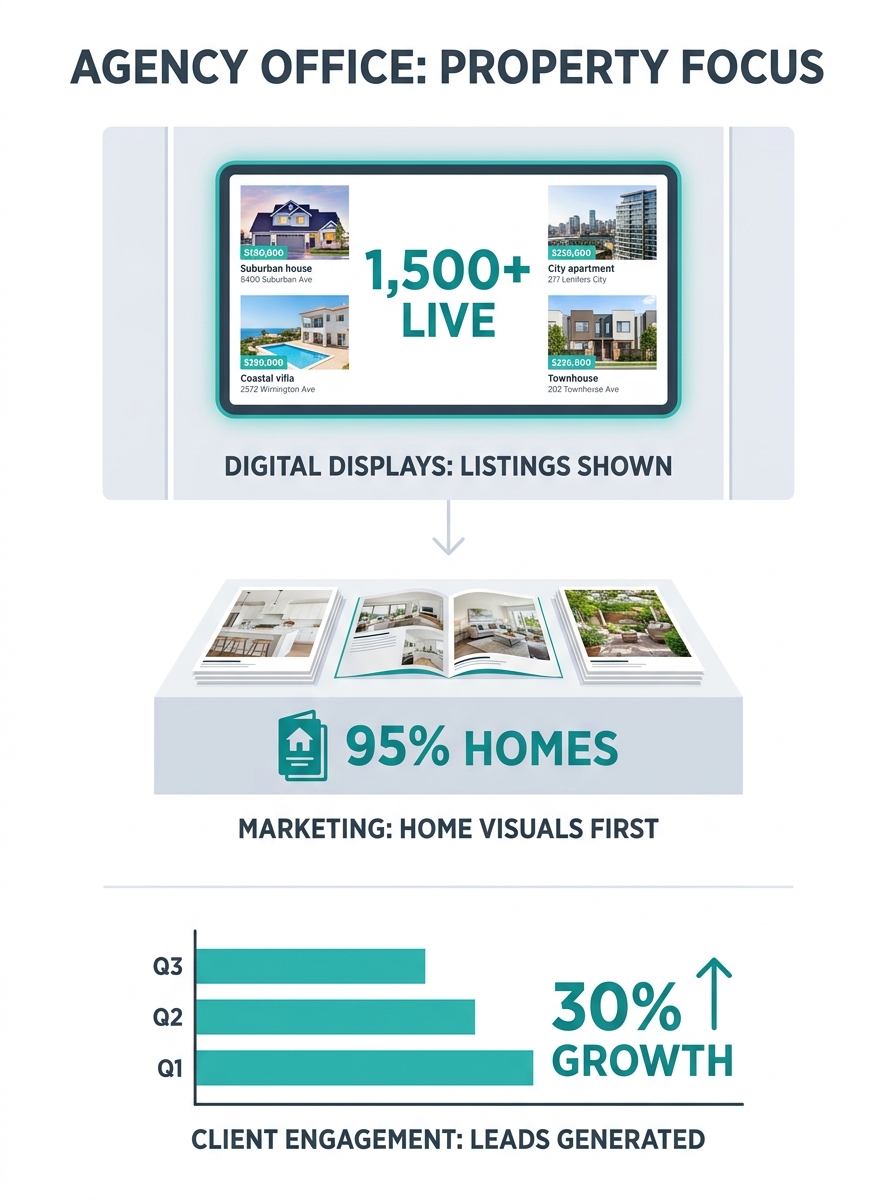
Property-focused branding creates broader audience reach beyond followers of specific agent personalities, according to Gosse. The CEO described property as “a much more sustainable channel” for engaging with communities and customers at a deeper level than individual agent followings allow.
Customer Expectations Shift Toward Organizational Brands
Customers increasingly distinguish between the value an individual agent provides and the capabilities a broader organizational brand delivers, Whitney said. The founder described a widening gap in customer perception between individual agent services and brand-level service delivery.
Whitney attributed the shift to customer expectations shaped by service experiences in other industries. Customers “want that more and more” from the organizations behind individual service providers, Whitney said, noting they receive higher organizational support standards in other sectors of their lives.
The discussion connects to research showing marketing strategy influences agent selection for a majority of home sellers, suggesting brand positioning affects consumer choice at the agency level rather than solely at the agent level.
Differentiation Through People and Brand
Whitney identified people and brand as the two areas capable of differentiating BresicWhitney over the longer term. The founder said continuous improvement in those two avenues determines whether the agency will maintain differentiation over five, 10, and 20-year time horizons.
Gosse added that BresicWhitney deliberately avoids positioning itself as “all things to all people,” arguing that attempting universal appeal would weaken the business’s identity. The CEO said the agency’s environment attracts certain professionals while naturally repelling others, a dynamic the leadership considers beneficial for maintaining cultural clarity.
The agency also recruits beyond the industry’s conventional talent pool, according to Gosse. The CEO said considering talent from different channels and industries creates combinations of skills and thinking that contribute to organizational capability.
Context and Outlook
The BresicWhitney argument arrives as agent personal branding remains a dominant marketing strategy across US real estate, with social media frameworks prioritizing individual agent profiles over company brand development. The Australian brokerage’s property-first positioning offers an alternative model for brokers and team leaders seeking differentiation in markets where agent-led marketing has become commoditized.
For US brokerages evaluating brand strategy, the property-centric approach suggests reallocating marketing resources from agent headshot campaigns and individual social media support toward property storytelling, community content, and customer experience investments. The shift requires recruiting and retaining agents who value organizational brand support over building independent personal followings—a cultural change that may narrow the talent pool while attracting agents aligned with company-first positioning.
The broader industry tension between agent differentiation tactics and brokerage brand building will likely intensify as consumer expectations for organizational service delivery rise. Brokerages that maintain agent-centric branding may find their marketing advantage erodes as customers increasingly evaluate agencies on property representation quality and customer experience capabilities rather than individual agent personality appeal.