

Real estate coach Darryl Davis published a two-metaphor framework on June 26 designed to help agents respond to sellers who cite discount brokerages, according to a column in HousingWire. The framework replaces scripted rebuttals with visual analogies—a contractor’s driveway base and a chef competition—that position agent expertise as the hidden layer beneath identical-looking MLS tools.
TL;DR: Darryl Davis released a metaphor-based objection-handling framework for agents facing commission pressure, using driveway base work and chef competitions to illustrate value differences between full-service and discount brokerages.
The publication arrives as agents navigate seller fee sensitivity following the March 2024 National Association of Realtors settlement. Davis, founder of the POWER AGENT coaching program and a Certified Speaking Professional with 40 years of training experience, framed the approach as “coaching not selling” in response to a common listing appointment scenario: a seller stating that discount brokerages “do everything you do, for less money.”
The Driveway Contractor Analogy
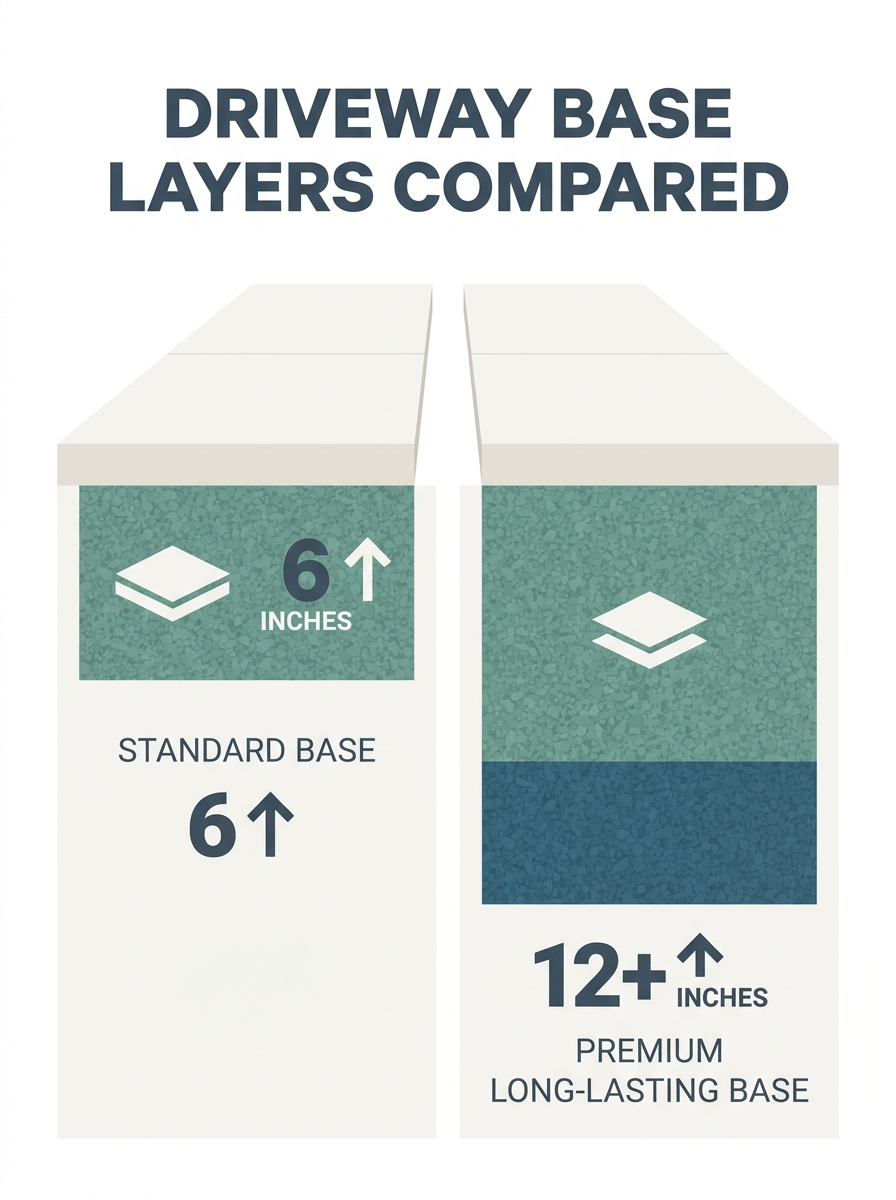
The first metaphor compares real estate service tiers to driveway installation quality. Davis describes two contractors quoting the same visible deliverables—measurement, border, concrete pour—at different prices. The price difference reflects the invisible base layer: gravel depth, stone quality, and compaction frequency that determine whether the driveway lasts three years or 30 years.
“A contractor who is willing to cut his price is telling you something important,” Davis wrote. “He is telling you that he believes the work he does is worth less than what the other guy charges.”
The analogy translates to brokerage services through what Davis calls “the base”—negotiation training, pricing analysis, buyer qualification hours, and after-hours deal protection calls. The column states that discount brokerages cut costs in work layers sellers cannot observe, similar to contractors using shallow base or cheap fill.
The Chef Competition Framework
The second metaphor uses televised cooking competitions where two chefs receive identical ingredients, tools, and time constraints but produce different-quality plates. Davis positions this as the answer to MLS tool parity arguments.
“The tools you use are the same tools every other agent in town has,” the column explains. “What is different is how you use them.”
The framework instructs agents to acknowledge that MLS access, lockboxes, and yard signs are commodity inputs, then redirect the conversation to execution expertise. Davis included sample language: “I am not the cheaper cook. I am the chef who knows what to do with the ingredients.”
Implementation Directive and Objection Acceptance
Davis prescribed a specific pre-appointment practice routine: agents should rehearse both metaphors aloud at their kitchen table before price-sensitive listing presentations. The column emphasizes that the image persistence of driveways and chefs outlasts memorized scripts, which agents “will forget before you finish the listing appointment.”
The framework includes an explicit permission structure for agents to accept seller decisions favoring discount brokerages. “If the seller hears both stories and still chooses the discount brokerage, let them,” Davis wrote, noting that some sellers will return after 90 days while others will not. The column advises agents to redirect time toward next appointments rather than prolonging lost negotiations.
Davis distinguished the approach from defensive scripting by positioning the agent as educator rather than combatant. “When the seller hears the driveway analogy, they don’t feel attacked. They feel like they just learned something,” the column states.
Brokers Implications
Brokers managing teams through commission compression can deploy Davis’s metaphor framework as a standardized objection-handling protocol that shifts listing conversations from fee defense to service differentiation. The driveway and chef analogies require no proprietary tools or data—agents memorize two visual narratives and adapt delivery to individual seller contexts, making the approach scalable across teams without additional training infrastructure.
The framework’s emphasis on objection acceptance (“let them go”) also addresses agent retention psychology; brokers lose experienced agents when fee pressure feels unwinnable. Teaching agents to view lost listings as decision points rather than negotiation failures may reduce burnout in high-rejection cycles. Teams already using testimonial placement strategies to reinforce value messaging can layer metaphor frameworks into listing presentations as verbal reinforcement of written social proof.
Brokers should note that Davis frames the approach as temporary triage rather than long-term positioning. The column’s closing line—”The discount brokerages are not your competition. The story you tell at the kitchen table is”—places narrative control as the strategic lever, suggesting that teams without coherent value stories face steeper listing loss rates regardless of actual service quality. Standardizing metaphor delivery across agent teams creates message consistency that sellers encounter whether they interview three agents or one.