

Real estate brokerages will gain access to AI agents that automate lead follow-up, transaction management, and recurring marketing workflows when RealAnalytica launches its Atlas Agents platform August 5, integrating more than 30 real estate software tools, according to an announcement published August 3.
TL;DR: RealAnalytica’s Atlas Agents platform deploys AI workforce automation across CRM, MLS, marketing, and transaction systems starting August 5, building on the company’s early growth in New England with real estate-specific workflows that eliminate prompt engineering.
The launch marks an expansion of RealAnalytica’s operations beyond its New England base, where the company established initial traction with brokerages seeking centralized technology infrastructure. Atlas Agents addresses a recurring challenge for agents and brokerages: administrative tasks that consume time better spent on client relationships and deal negotiation.
The platform connects CRM systems, MLS feeds, email, tax data, marketing tools, recruiting systems, analytics dashboards, e-signature platforms, and transaction management software within a unified interface. The system includes pre-built real estate workflows, eliminating the need for users to write prompts or explain industry-specific processes to the AI, the company stated.
Platform Capabilities and Integration Architecture
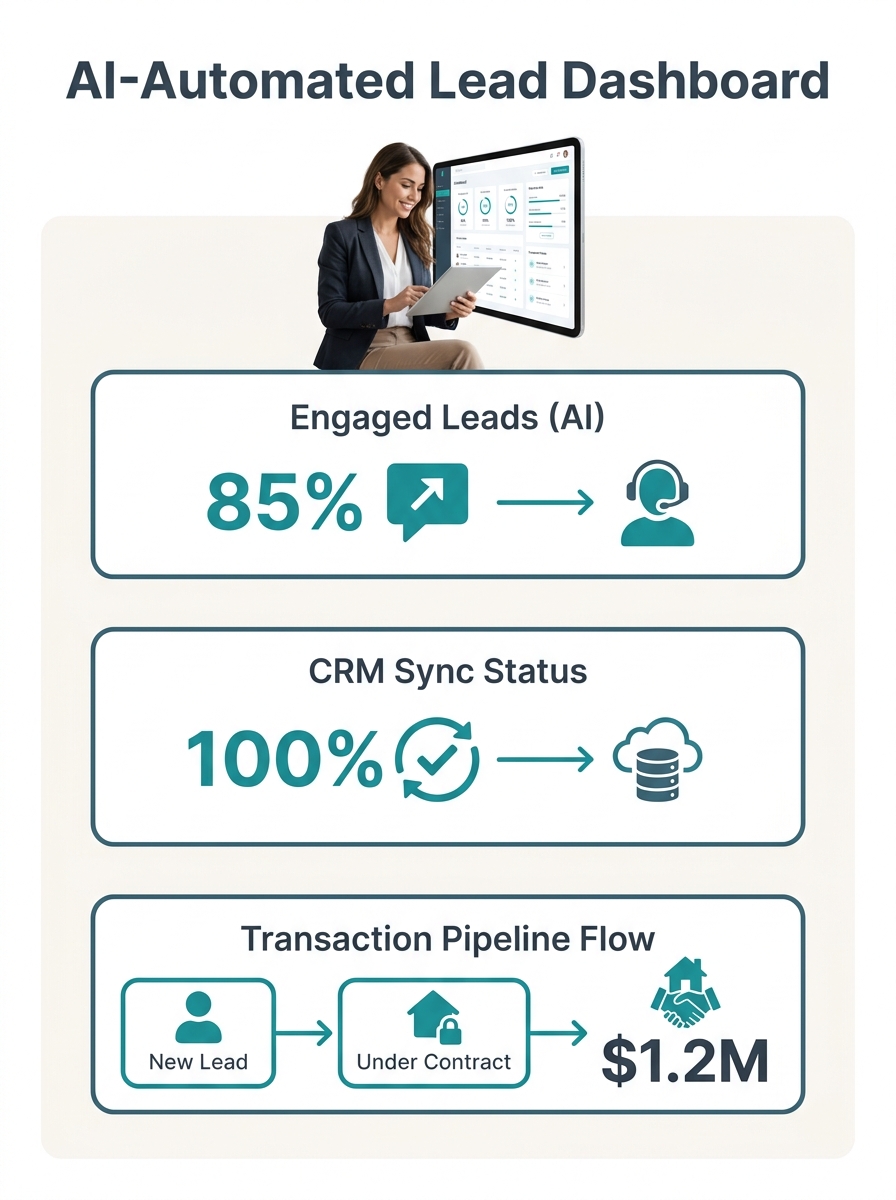
Atlas Agents executes approved workflows automatically, including multi-step and recurring tasks across connected systems. The AI agents analyze listings and market data, monitor active transactions, identify business opportunities from CRM patterns, and complete lead follow-up sequences without manual intervention, according to the product specifications.
Brokerages retain control over which workflows the AI executes automatically and which require human approval. The system supports custom workflow creation aligned with individual brokerage operating procedures and brand standards, allowing firms to codify their existing processes rather than adapting to generic automation templates.
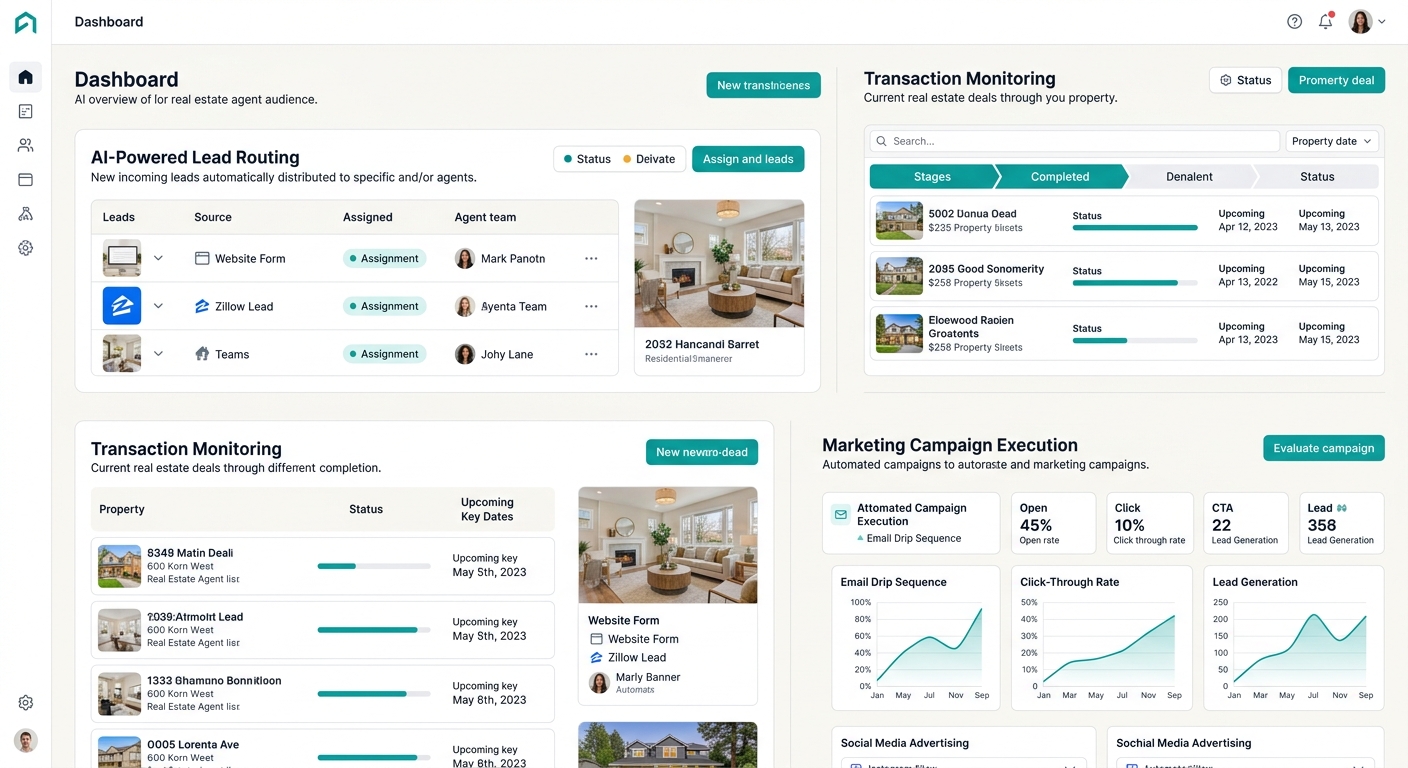
The platform’s integration layer spans more than 30 real estate software categories. By centralizing data from previously siloed systems, Atlas Agents surfaces patterns and opportunities that agents miss when reviewing tools individually, the company stated. Transaction monitoring flags potential issues before they escalate; lead analysis prioritizes follow-up based on engagement signals across email, property search, and CRM activity.
Workflow Automation and Custom Configuration
RealAnalytica designed the platform to handle administrative work while preserving human control over client relationships, negotiations, and final decision-making. The AI workforce operates within parameters set by brokerage owners and individual agents, executing tasks that follow established rules but escalating judgment calls to real estate professionals.
Custom workflow automation allows brokerages to map their existing standard operating procedures into the AI system. A brokerage that requires three follow-up touchpoints within 48 hours of lead capture, for example, can configure Atlas Agents to send personalized email sequences, log activity in the CRM, and alert the assigned agent if the lead responds—all without manual data entry or task tracking.
The platform’s real estate-specific design means it understands listing statuses, transaction milestones, market condition indicators, and lead progression stages without requiring users to teach it industry terminology. This contrasts with general-purpose AI tools that demand custom prompt engineering for real estate applications, as reported in earlier implementations where agents spent weeks defining their marketing voice before automation delivered useful output.
Recruiting Tools and Expansion Strategy
Alongside Atlas Agents, RealAnalytica launched a recruiting platform that enables brokerage owners and managers to identify, engage, and recruit productive agents while evaluating potential office acquisition opportunities. The recruiting system combines agent performance data with business intelligence to help brokerages expand strategically, according to the company.
The recruiting tools integrate with the Atlas Agents workflow automation, allowing brokerages to deploy consistent onboarding processes and operational standards as they scale. New agents joining a brokerage gain immediate access to the firm’s pre-configured workflows, reducing the ramp time from hire to productivity.
At launch on August 5, customers will access AI agents for lead follow-up, client engagement, listing analysis, transaction management, marketing automation, and custom workflow creation. The company did not disclose pricing structures or minimum brokerage size requirements for platform access.
What This Means for Estate Agents
Atlas Agents enters a market where 68 percent of Google searches now end without clicks as AI answers replace website traffic, forcing agents to rethink both lead generation and operational efficiency. Agents who automate administrative workflows reclaim hours previously spent on data entry, follow-up tracking, and system management—time that converts directly to additional client meetings and listing appointments.
The platform’s integration architecture addresses a persistent pain point: agents toggling between CRM, MLS, email, marketing, and transaction systems lose context and miss follow-up windows. Centralized automation eliminates the manual data transfer that causes leads to fall through gaps between disconnected tools. For brokerages competing on service delivery rather than commission discounts, AI workforce deployment becomes a differentiator in agent recruitment and retention.
Agents considering the platform should evaluate whether their current brokerage technology stack supports the 30-plus integrations Atlas Agents requires. The August 5 launch offers early visibility into how AI optimization strategies reshape agent marketing beyond content creation into full operational automation. Brokerages that adopt workforce AI early establish standardized processes that compound efficiency gains as transaction volume scales, while late adopters face catch-up costs in workflow migration and change management.