
A real estate marketing platform published a guide August 28 identifying three primary sources for single property website templates—dedicated listing platforms, general website builders, and real estate theme marketplaces—according to a post by AgentUp detailing setup times and feature requirements for agents building dedicated listing sites.
TL;DR: AgentUp published a guide identifying where agents can find single property website templates, comparing dedicated platforms with five-minute setup against general builders and WordPress marketplaces requiring manual configuration.
The guide arrives as property marketing shifts toward dedicated listing websites that generate 55 percent more traffic than standard MLS pages, according to AgentUp. PhotoUp research cited in the guide found 44 percent of buyers said a dedicated property site influenced their decision to schedule a showing, while ReSimpli data showed 96 percent of buyers start home searches online.
Three Template Sources Compared by Setup Time and Features
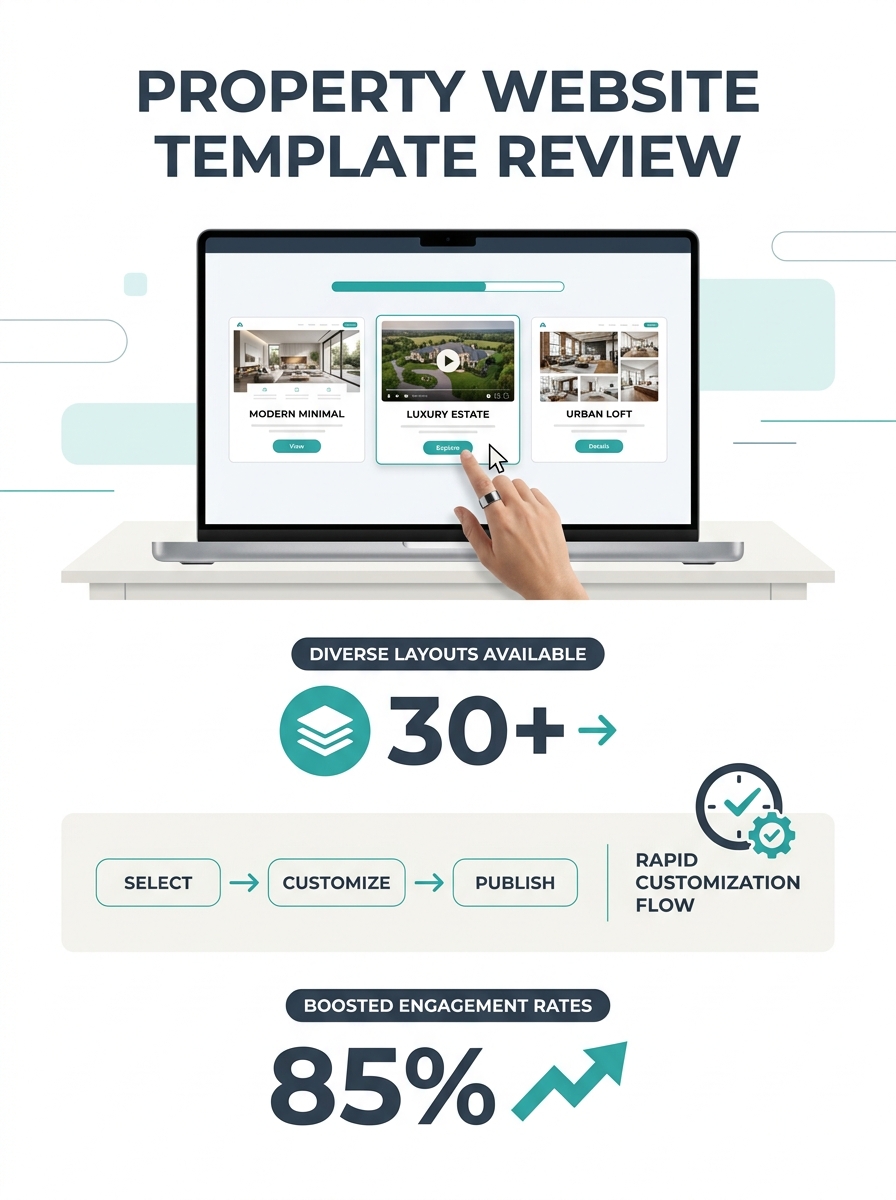
Dedicated single property website platforms like AgentUp offer real estate-specific features pre-built into templates, including lead capture forms, mortgage calculators, and MLS-compliant broker disclosure fields, the guide stated. Setup time for these platforms averages five minutes per listing.
General website builders including Wix and Squarespace provide flexible templates that require manual addition of real estate features, according to the guide. Lead capture forms, virtual tour embeds, and mortgage calculators must be configured individually for each listing site.
Real estate theme marketplaces selling WordPress and IDX templates offer greater design flexibility but require self-hosted WordPress maintenance and ongoing technical oversight, the guide noted. The Close, cited in the AgentUp post, recommended prioritizing templates supporting 3D tours, video walkthroughs, and simplified editors.
Required Features for Listing Site Templates
The guide identified seven mandatory features for single property website templates: mobile-responsive design addressing the majority of home searches conducted on phones, built-in lead capture forms, support for photos and floor plans and video, custom domain capability for sign riders and print marketing, mortgage calculators for buyer qualification, and MLS compliance fields for required broker disclosures.
National Association of Realtors data cited in the guide found 94 percent of listings omit virtual tours despite majority buyer demand for floor plans and video before scheduling showings. Bitly research showed two-thirds of consumers scanned a QR code in the past year, supporting automated QR code generation for print materials, according to the guide.
AgentUp Offers Six Property-Style Themes
AgentUp’s template library includes six themes matched to property styles, the guide stated. The East theme uses large photography and clean typography for established properties, while the West theme features bright Pacific Northwest aesthetics. The Grid theme applies bold geometry for urban listings, and the Lux theme combines black, gold, and white for luxury properties.
The Aurora theme builds around large hero images with vibrant layouts, and the Eco theme uses green, white, and grey palettes for sustainable properties, according to the platform. Each template supports custom branding per listing, accommodates up to three agents for co-listed properties, and automatically generates matching PDF flyers and QR codes carrying identical design elements to print marketing, the guide noted.
Agents can browse the Pillar template gallery and create a free property website to test themes against specific listings before presenting to sellers.
What This Means for Estate Agents
Single property websites function as listing differentiation tools in markets where 96 percent of buyers begin searches online before contacting an agent. The 55 percent traffic increase PhotoUp documented translates directly to more showing requests and faster sales cycles when paired with lead capture forms that pre-qualify buyer interest.
The five-minute setup time AgentUp cited makes dedicated listing sites practical for agents carrying multiple active listings simultaneously. Templates eliminate design and technical configuration work, allowing agents to focus on photography quality, property descriptions, and seller presentation rather than website construction.
The guide’s emphasis on mobile responsiveness and QR code generation addresses the buyer behavior shift toward phone-based property research and print-to-digital conversion through sign riders and flyers. Agents who adopt single property websites gain a measurable presentation advantage over competitors relying solely on MLS pages and portal syndication.