

Air conditioning efficiency, EV chargers, and multi-generational floor plans topped the list of features homebuyers actively request from real estate agents in 2026, according to interviews with seven Douglas Elliman and Compass agents published July 14 by Good Housekeeping. The shift toward infrastructure over aesthetics gives listing agents specific talking points for property descriptions, open houses, and buyer consultations.
TL;DR: Real estate agents from Douglas Elliman and Compass report six features—efficient HVAC, EV chargers, home offices, multi-generational space, kitchen islands, and wellness amenities—now dominate buyer inquiry calls, signaling how agents should frame listings.
The survey of working agents reveals buyers are asking operational questions about energy costs, asking for dedicated office space even as hybrid work normalizes, and prioritizing room for extended family stays. These aren’t aspirational “nice-to-haves”—agents say they’re filtering criteria buyers mention in initial calls before scheduling showings.
Energy Efficiency Tops Every Market’s Buyer Inquiries
Air conditioning leads buyer request lists, particularly in warm climates. “It’s the number-one thing people ask for,” said Matthew Berkeley, a Los Angeles-based realtor quoted in the report. The feature’s dominance extends beyond installation—buyers now scrutinize operating costs before making offers.
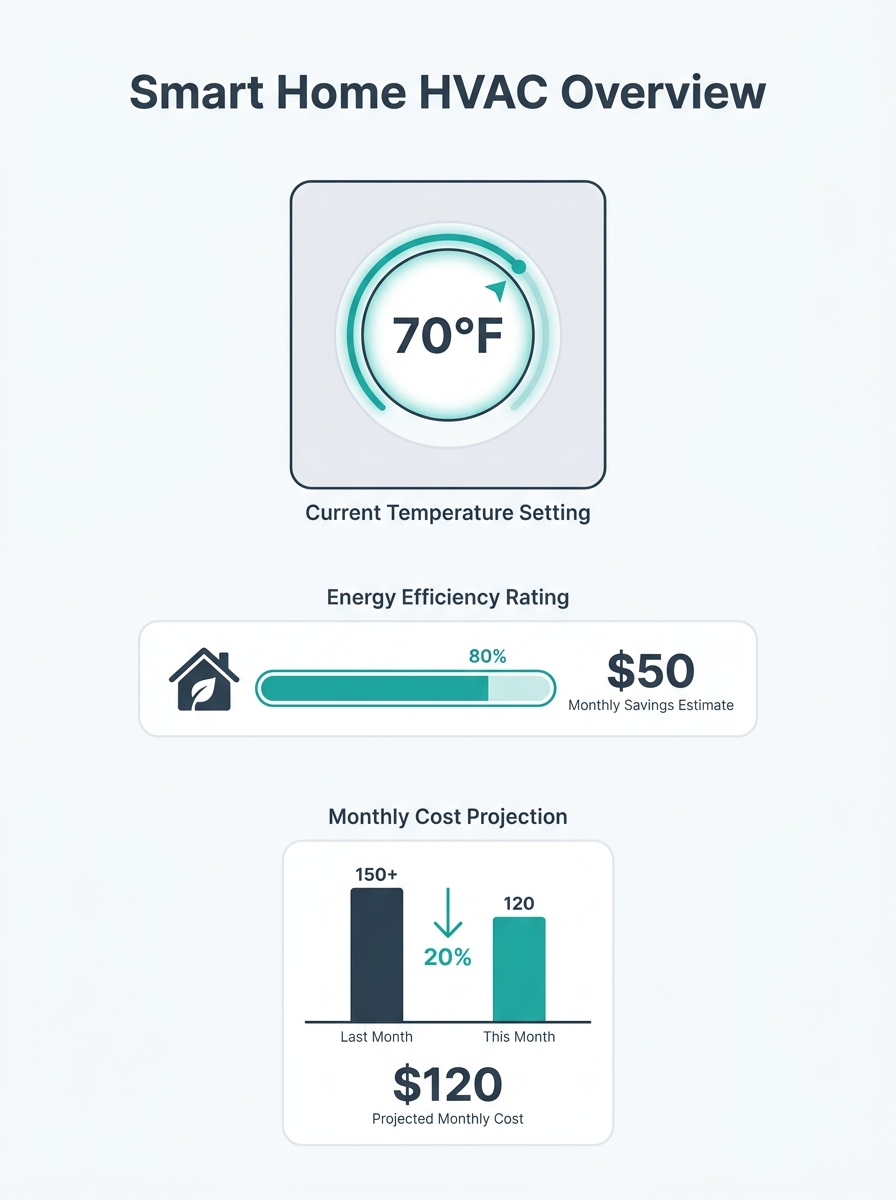
Michelle Easter of Douglas Elliman said energy bills drive buyer diligence. “With energy bills climbing, buyers are scrutinizing what a home actually costs to run,” Easter explained. “They ask about heating and cooling systems, insulation, window condition, and efficiency in a way they didn’t a couple of years ago.”
Agents can translate this trend into listing language: instead of generic “central air” bullet points, specify SEER ratings, recent HVAC upgrades, or smart thermostat integrations. Sellers with documented low utility bills gain negotiating use when agents present them alongside comparable properties.
EV Chargers Become Infrastructure Buyers Expect Already Installed
Electric vehicle charging capacity shifted from luxury add-on to baseline expectation in garages and driveways. Morgan Guthrie of Douglas Elliman called EV chargers “a basic infrastructure” clients “expect to find.” The equipment signals a property’s readiness for technology adoption without the obsolescence risk of integrated smart-home systems.
“An EV charger in every garage matters more than people realize,” Guthrie said. “It tells buyers how tech-forward and functional a home really is.”
Agents representing sellers without chargers installed can address the gap during listing prep. A $500–$1,200 Level 2 charger installation costs less than most staging budgets and answers a question that eliminates properties from shortlists. Listing photos showing the installed unit and electrical capacity documentation close the conversation before buyers schedule electrician inspections.
Home Office Space Remains Non-Negotiable Despite Return-to-Office Push
Dedicated workspace survived the return-to-office transition. Gina Gerszberg, a New Jersey broker salesperson for Douglas Elliman, said home office features dominate buyer conversations. “It’s the one feature I hear about all of the time,” Gerszberg noted in the report.
The feature coexists with renewed commute-proximity demand. Gerszberg added that buyers want “direct access” to metro areas within quick train rides to employment hubs like New York City. Train access specifically outranks bus routes in buyer preferences, she said.
Agents marketing suburban properties can emphasize both angles: show the home office setup in listing photos and cite exact train station distances with peak-hour schedules to downtown cores. Listings that answer both needs—workspace for hybrid days, train access for in-office days—address the full 2026 work reality rather than betting on full-remote or full-office futures.
Multi-Generational Living Drives Bedroom Count and ADU Demand
Homebuyers are seeking floor plans that accommodate parents, adult children, or extended family either immediately or in future years. Michael Reisor, founder of Reisor.Team at Compass, said the trend ties to wealth transfer timing. “With the transfer of wealth from baby boomers, multi-generational living has become a big focus, as well as guest accommodations,” Reisor explained. “If the parents are paying for a home, they want a place to stay.”
Learka Bosnak, a Los Angeles real estate salesperson, said buyers specifically mention space for “nieces and nephews, siblings, or even parents to stay down the road.” The planning horizon extends beyond immediate move-in needs.
Accessory dwelling units answer the trend. Heather T. Roy of Douglas Elliman said ADUs remain in demand as “permitted guest houses or even workshops and studios—spaces that can give a buyer future options to do things they haven’t even thought of yet without having to move.”
Agents listing properties with mother-in-law suites, finished basements with separate entries, or buildable ADU-zoned lots should emphasize flexibility rather than prescribing use cases. Buyers self-select the application—the agent’s job is surfacing the optionality.
Kitchen Islands Hold Value While Wellness Amenities Gain Ground
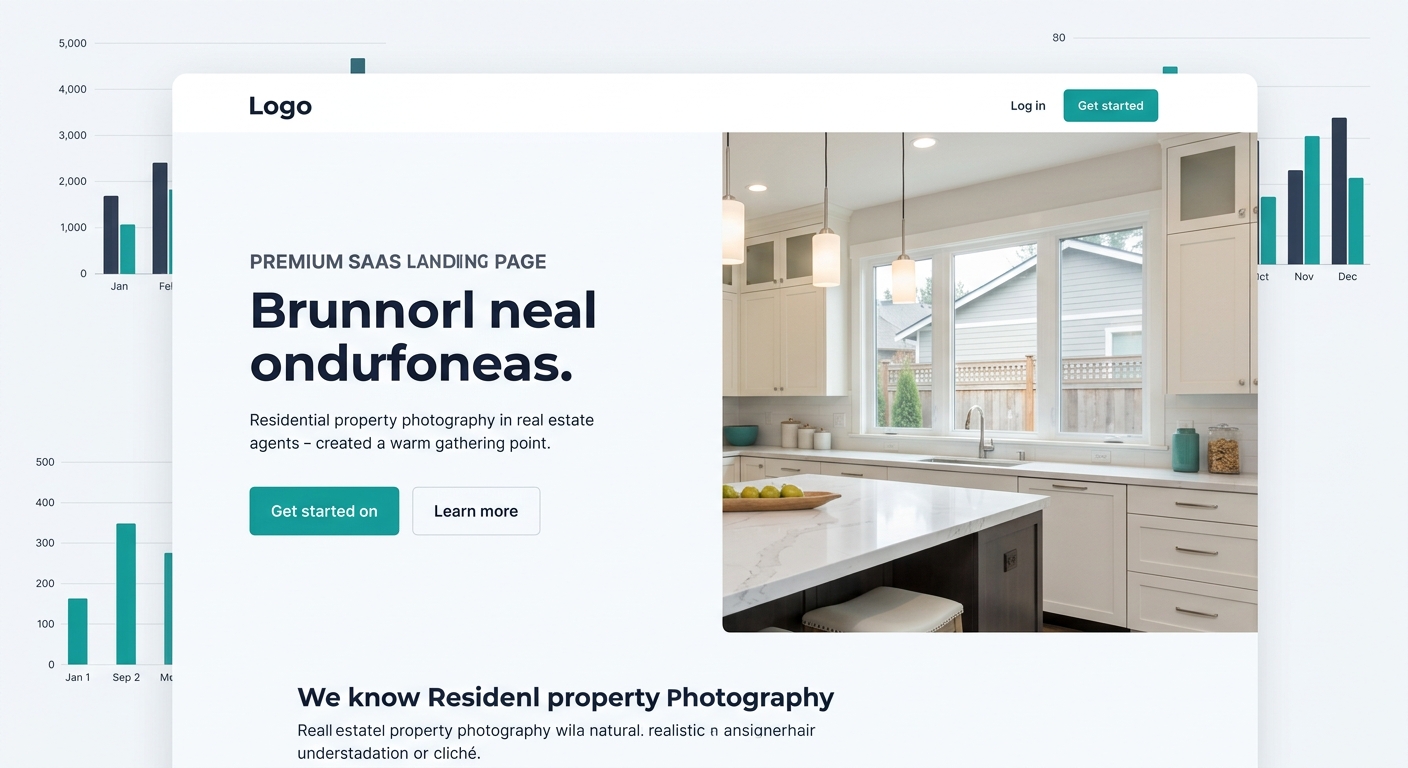
Large kitchen islands secured a permanent place in buyer checklists. Megan Sullivan of Douglas Elliman called them the “heart of the home and the main gathering space,” noting their appeal to both home chefs and entertainers. The feature also increases resale value, giving sellers measurable return on installation costs.
Wellness infrastructure emerged alongside traditional amenities. Sullivan said homeowners now request saunas, cold plunges, home gyms, and private yoga studios during property tours. Easter noted buyer surprise at the shift: “They still think of these as spa extras, not something a buyer actively asks about.”
Agents representing luxury listings can inventory wellness features as rigorously as they document smart-home tech—cataloging equipment brands, square footage dedicated to fitness, and spa features in marketing materials. Mid-market agents can identify space for future wellness conversions, particularly unused bonus rooms or oversized primary bathrooms.
Reading Between the Lines
The six-feature list gives agents a content roadmap for the rest of 2026. Every listing description, property website, and Instagram carousel should address at least three of the six categories with specifics: not “efficient heating,” but “2024 heat pump with $87 average winter monthly cost”; not “great for families,” but “permitted 450-square-foot ADU with separate entrance.”
Buyer inquiry calls reveal what to shoot during listing-photo sessions. If 70% of prospects ask about home offices, the photographer needs three angles of the dedicated workspace with natural light, not just a hallway shot. If EV chargers dominate conversations, the garage needs lifestyle staging showing the charging port, not empty concrete.
Agents prospecting for seller leads can audit neighborhoods against the six features and approach owners with gap analyses. A homeowner in a multi-generational-friendly school district with no ADU but an oversized lot gets a different script than a condo owner near train stations without dedicated office space. The features aren’t universal—they’re positioning tools that help agents demonstrate market literacy to sellers deciding which agent understands buyer behavior in July 2026.