
Google’s Performance Max and Smart Bidding systems now evaluate thousands of behavioral signals to identify high-intent property buyers, according to digital marketing firm Infinix360. The AI-driven approach reduces cost-per-acquisition by 30 percent compared to traditional keyword campaigns by targeting users who visit tax sites and school rating pages rather than casual browsers, the company reported April 25.
The shift marks a departure from manual bid management and static keyword lists. Machine learning models process cross-device behavior, location frequency, and search history patterns to predict which prospects are preparing for actual transactions versus window shopping. For agents running fixed marketing budgets, the difference translates to fewer unqualified tire-kickers and more calendar appointments with pre-approved buyers.
Real estate search intent ranks among the highest-conversion categories in digital advertising, but only when campaigns isolate signals that indicate major life transitions. Someone searching “3BHK near me” is signaling an imminent move, while generic property browsing often reflects passive interest that won’t convert for months or years.
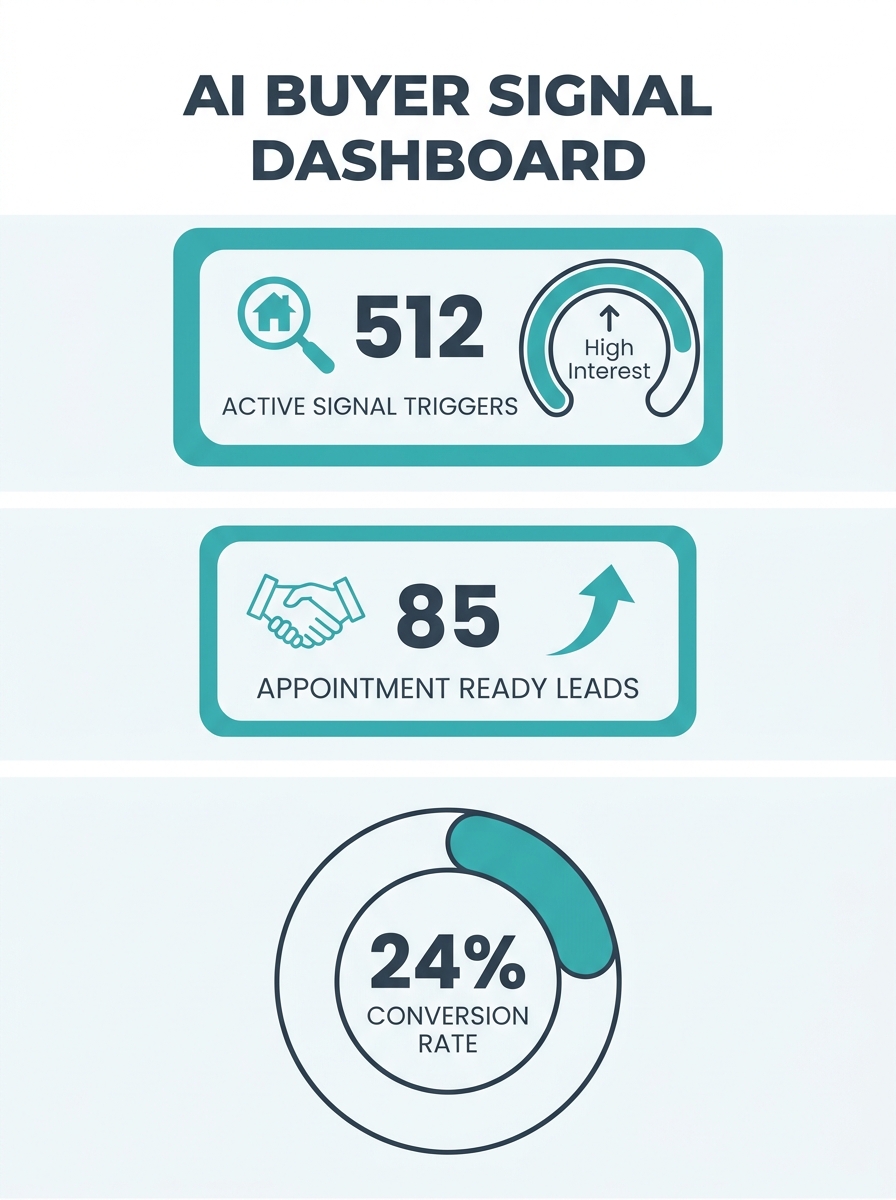
How AI Separates Serious Buyers from Browsers
Traditional Google Ads relied on keyword matching and manual audience segmentation. Current AI models track behaviors that predict purchasing power and urgency, the analysis shows. High-frequency visits to property tax calculators, mortgage rate comparison tools, and school district performance sites all indicate an active buyer working through financial planning stages.
Google’s algorithms also monitor timing patterns. A user who searches for specific neighborhoods during lunch breaks on weekdays, then researches HOA regulations on weekends, demonstrates a different commitment level than someone casually browsing property photos at random intervals. The AI adjusts bids in real-time based on these behavioral profiles.
Conversion Value optimization allows agents to teach the system which leads matter most. A prospect who books a site visit carries higher value than someone who downloads a brochure, according to the implementation guide. By feeding the AI offline conversion data from CRM systems, the platform learns to prioritize similar high-value prospects in future auctions.
This level of precision requires clean tracking infrastructure. Broken pixels or incomplete conversion imports corrupt the training data, causing the AI to optimize for the wrong outcomes. Campaigns that treat machine learning as “set and forget” typically fail because the models amplify whatever signal they receive, including low-quality leads from poorly designed landing pages.
Display Retargeting Maintains Visibility During Long Sales Cycles
Property purchases involve extended decision timelines that exceed the conversion windows of most lead generation tactics. Google Display Ads combined with AI audience modeling addresses this challenge by maintaining brand presence across the sites high-net-worth prospects visit daily, according to the strategic framework.
Visual retargeting sequences can show floor plans specifically to users who downloaded project brochures but haven’t scheduled tours. Contextual placement algorithms ensure luxury penthouse ads appear on premium lifestyle publications rather than generic mobile apps, preserving brand positioning. Frequency capping prevents ad fatigue by limiting how many times the same prospect sees identical creative.
The machine learning component optimizes which ad formats and visual styles drive highest engagement among specific buyer segments. This allows agents to focus creative development on high-performing concepts while the AI handles delivery timing and channel selection.
Technical Requirements for Campaign Success
Performance Max campaigns consolidate search, display, YouTube, and Gmail inventory into single automated campaigns. The system requires comprehensive asset libraries including headlines, descriptions, images, and videos in multiple aspect ratios. Google’s AI tests thousands of combinations to identify which creative arrangements convert best for each audience segment.
Dynamic Search Ads generate headlines automatically based on landing page content, ensuring message alignment with specific search queries. A user searching “waterfront condos downtown” sees ad copy pulled directly from the relevant property page, maintaining relevance without manual keyword expansion.
Negative keyword management remains a critical human oversight function. Luxury property campaigns must aggressively exclude terms like “cheap,” “rent,” and “low cost” to prevent budget waste on incompatible searchers. The AI optimizes within the parameters set by negative lists, making initial keyword hygiene essential.
Hyper-local targeting produces better results than city-wide campaigns. Targeting specific neighborhoods, corporate parks where ideal buyers work, and school districts that match buyer profiles concentrates budget on qualified geography. Ad extensions for location, calling, and lead forms reduce friction between ad impression and inquiry submission.
The technical complexity explains why many brokerages outsource campaign management rather than building in-house expertise. Specialized teams maintain the tracking infrastructure and conversion mapping required to keep AI models properly calibrated, the analysis notes.
Why This Matters Now
The 30 percent cost reduction cited represents significant budget efficiency at a time when lead acquisition expenses continue rising across all channels. For independent agents operating on tight marketing budgets, AI-driven optimization means each dollar generates more qualified appointments. The difference between spending $150 versus $105 per lead compounds quickly across hundreds of monthly inquiries.
More importantly, the behavioral signals Google’s AI models track—tax calculator visits, school research, mortgage comparison activity—identify prospects farther along in the buying decision than social media scrollers or open house sign-in sheets. These high-intent leads require less nurture time and convert faster, shortening sales cycles for agents juggling multiple listings. The technology handles the qualification work that previously required extensive phone screening.
The shift toward conversion value optimization also rewards agents who maintain clean CRM data and track outcomes beyond initial inquiry. Those who feed the AI information about which leads actually closed versus which went cold gain compounding advantages as the system learns to find more buyers who match successful patterns. Agents who ignore the backend tracking infrastructure leave that performance edge on the table, even if they’re running the same campaigns.