
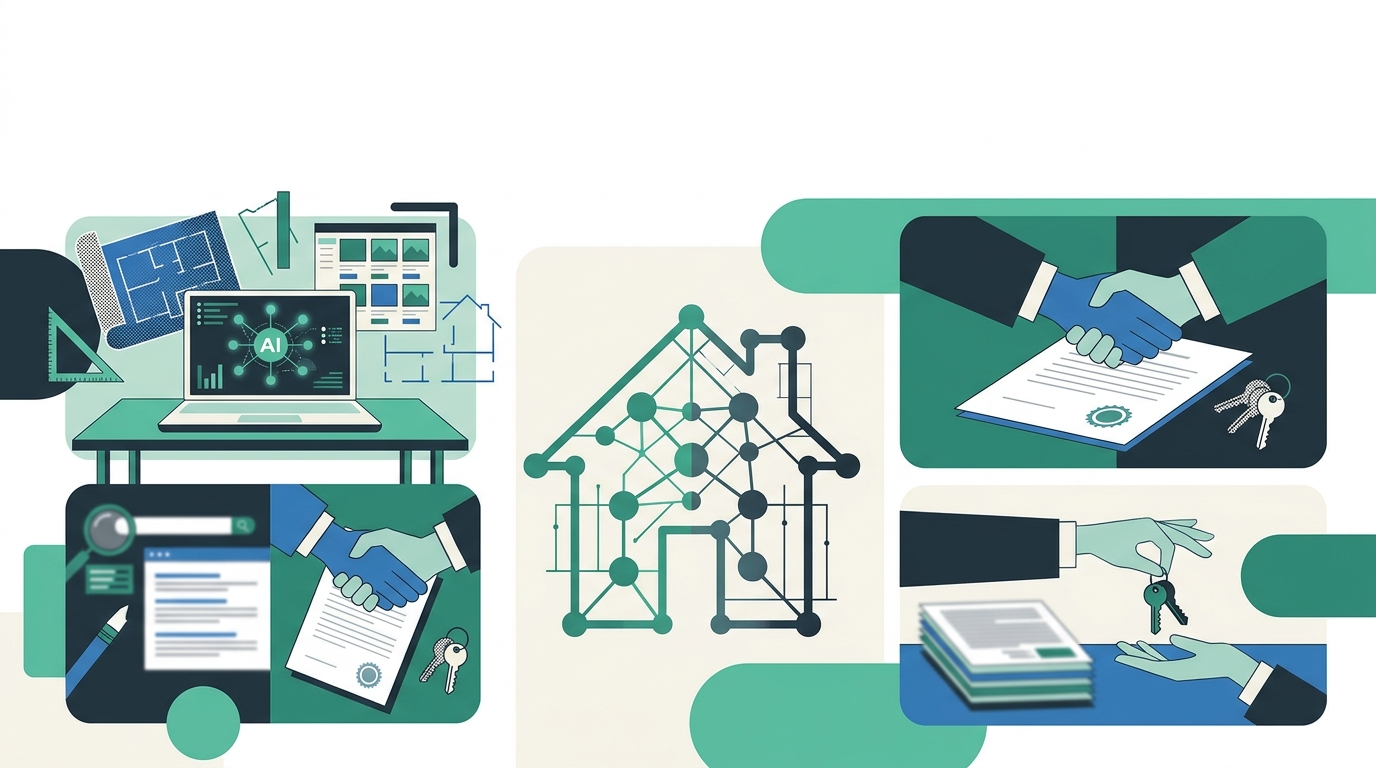
One in three Gen Z homebuyers used artificial intelligence tools for homebuying research in the past 12 months, but more than half still prefer human real estate agents for property tours and legal advice, according to a Bank of America Institute study published June 28. The findings reveal a split workflow: AI handles early-stage research on neighborhoods and property values, while agents remain essential for closing coordination.
TL;DR: Gen Z buyers are using AI for homebuying research at rates triple their reliance on it for closing tasks, signaling that agents who position themselves as transaction experts—not information gatekeepers—will capture this demographic.
The generational divide reflects differing trust patterns. Gen Z buyers approach major financial decisions with skepticism toward traditional experts and openness to technology, according to Graham Paterson, CEO of Jitty, a UK-based AI real estate search engine. “Gen Z is just naturally that much more distrusting, and because they don’t know the home buying process, they’re much more likely to look for answers in something like AI,” Paterson told Fortune.
Jitty has grown between 30% and 80% month-over-month since its 2024 launch and recently crossed 3 million website visitors, Paterson said. The platform uses AI to match buyers with properties based on specifications ranging from precise criteria to broad descriptions such as “a house with a big garden and sea views.” The company’s customer base skews heavily toward Gen Z and younger millennials.
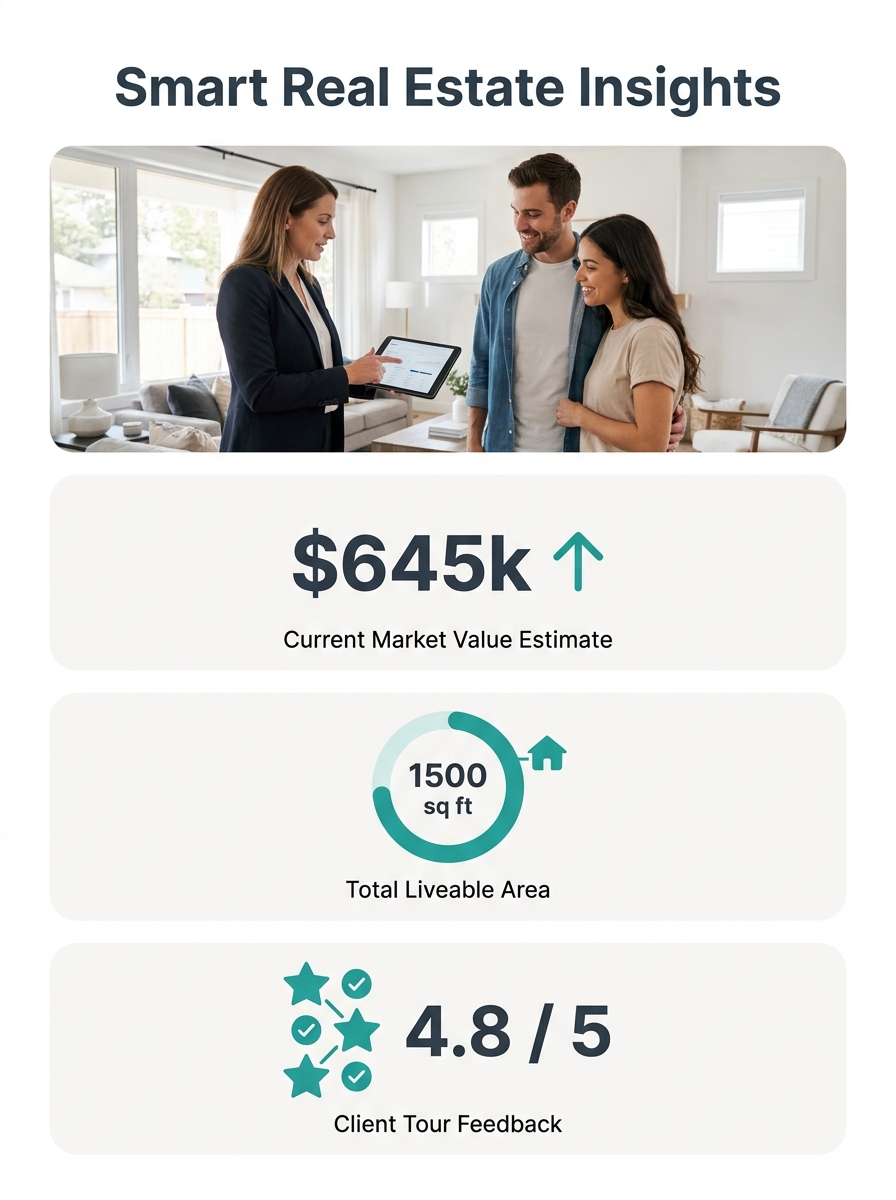
AI Handles Research, Humans Handle Closing
The Bank of America study identified neighborhood research, property value analysis, and general homebuying process education as the most common AI use cases among Gen Z buyers. These tasks occur in the discovery phase, before buyers contact agents or submit offers.
Closing coordination requires agents to work with attorneys, inspectors, loan officers, and insurance brokers—a complexity that keeps more than half of prospective homebuyers preferring human guidance for tours and contractual matters, the study found. Jessica Li, a real estate agent at Atlanta Fine Homes Sotheby’s International Realty, said competent representation during negotiations can secure concessions worth thousands of dollars.
“Having a competent real estate agent on the buyer’s side could be the difference between getting a concession worth thousands of dollars and paying the full asking price,” Li said. Inspections, appraisals, and bank coordination all require human judgment, she added.
The pattern mirrors broader AI adoption trends among homebuyers, where technology assists research but agents close transactions.
What Gen Z Expects From Digital Tools
Gen Z’s comfort with AI stems from years of algorithmic personalization across consumer platforms, Paterson said. TikTok’s recommendation engine and Spotify’s custom playlists have conditioned younger buyers to expect technology that adapts to individual preferences, creating friction when real estate search tools rely on manual filter selection.
“Gen Z and younger millennials respond by saying, ‘I can’t believe this doesn’t exist already,’” Paterson explained. Older millennials and older buyers ask whether AI tools miss listings or make errors, he said.
The April 2026 Gallup survey found that just over half of Gen Zers use AI at least weekly. The technology’s role in homebuying extends a pattern already visible in therapy, medical advice, and investment decisions, where Gen Z adopts AI tools faster than older generations.
The Takeaway
Real estate agents facing Gen Z buyers should recognize that this demographic arrives already researched—often through AI platforms that deliver neighborhood data, property comps, and process education before the first showing. The strategic shift is away from positioning yourself as the sole information source and toward becoming the trusted transaction expert who navigates the legal, contractual, and negotiation complexity AI cannot handle.
The one-third adoption rate for AI research tools among Gen Z will likely accelerate as this cohort ages into peak homebuying years over the next decade. Agents who integrate AI-powered tools into their own workflows—using AI for property descriptions, market analysis, and client communication—can meet clients where they already are while maintaining the human judgment required for closing. The Bank of America data confirms what the market is showing: AI changes the research phase, but agents still own the transaction.