
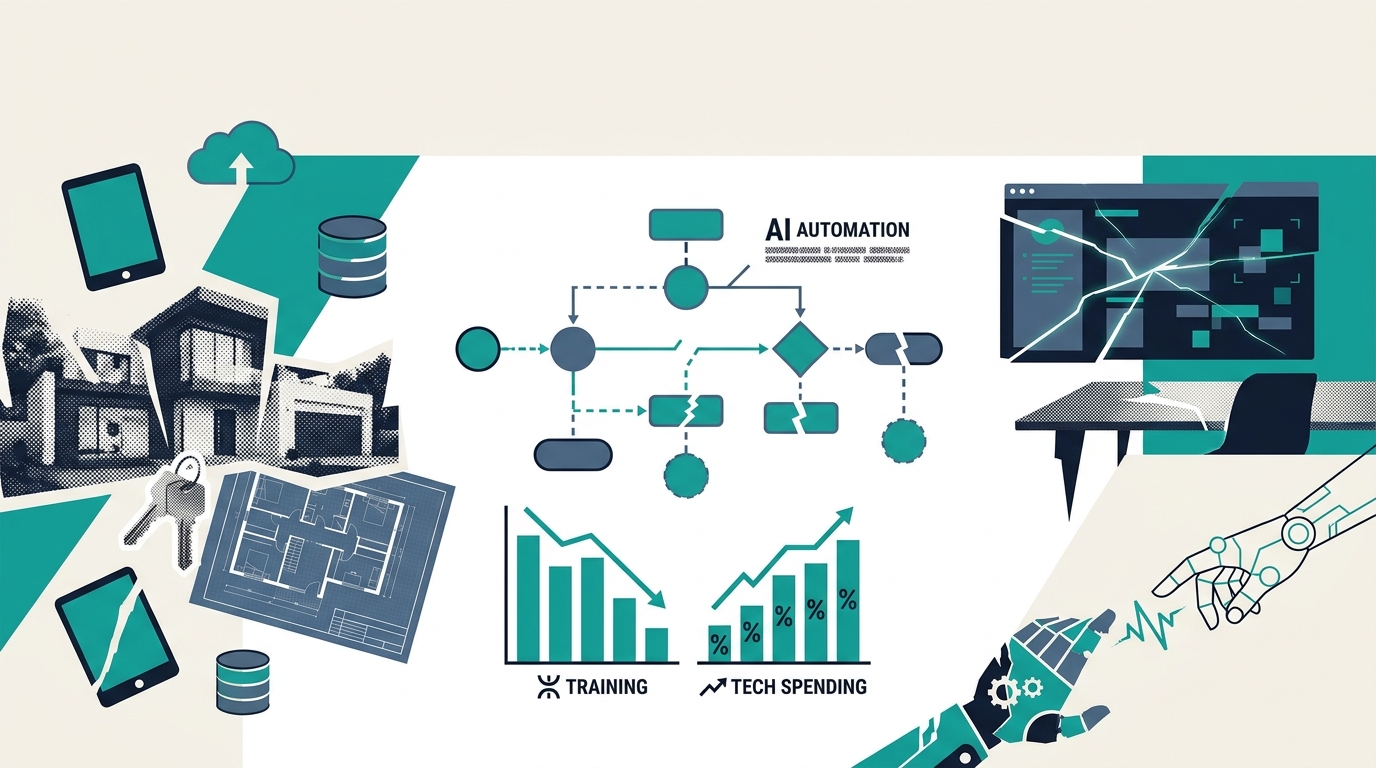
Brokerages rolling out artificial intelligence tools to real estate agents should triple their training budgets to match technology spending, according to Jeremias Maneiro, a REMAX Realty Group team leader who runs 600 AI training sessions annually through his AI-Cademy program, in an interview published by HousingWire on August 18.
TL;DR: Former Douglas Elliman AI trainer who instructs agents across 600 annual sessions identifies training underspending and habit formation failures as the primary reasons brokerage AI rollouts collect digital dust instead of transforming workflows.
Maneiro, who previously served as an AI trainer for Douglas Elliman’s 7,000-plus agents, told HousingWire that brokerages investing six months and tens or hundreds of thousands of dollars on technology platforms should allocate double or triple that amount to training and implementation. The guidance comes as real estate brokerage AI adoption reaches 98 percent industry-wide, yet many agents fail to integrate tools into daily workflows.
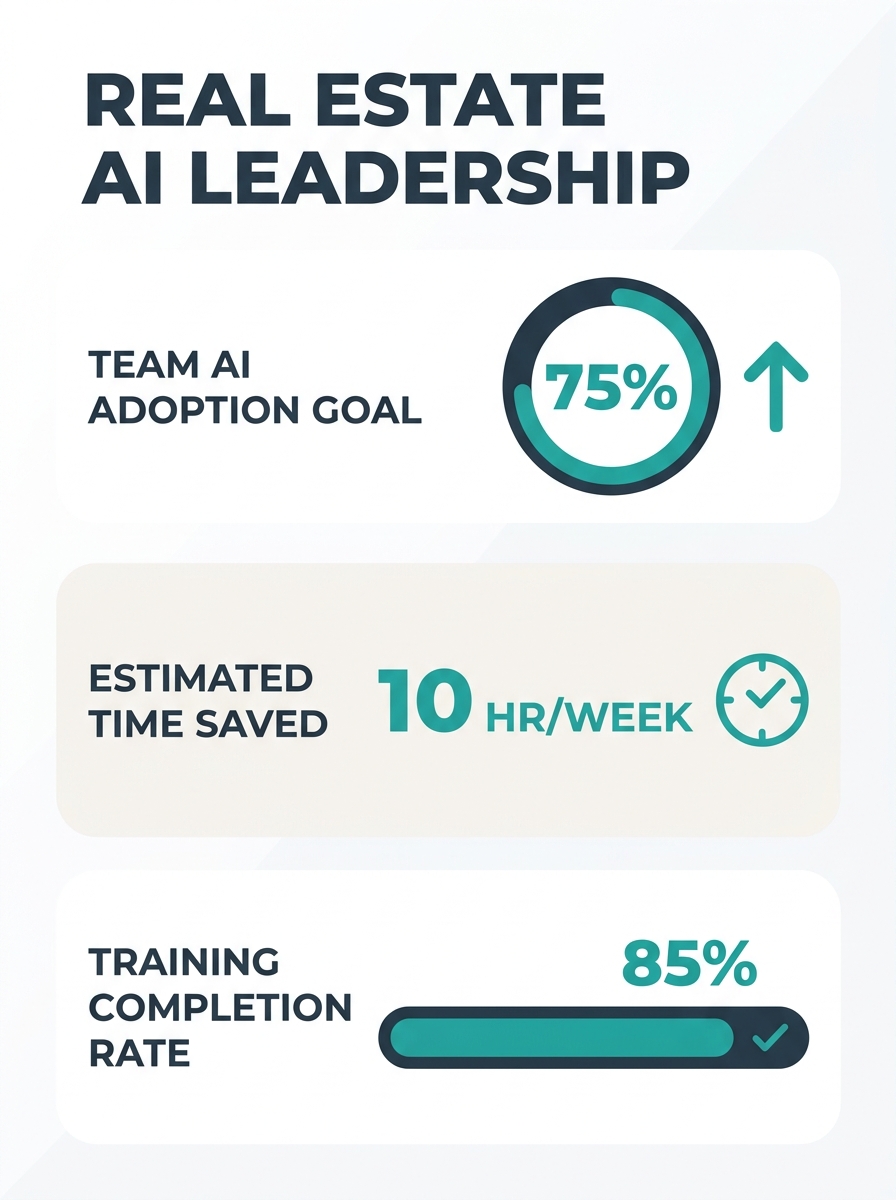
The First 90 Days Determine Success or Abandonment
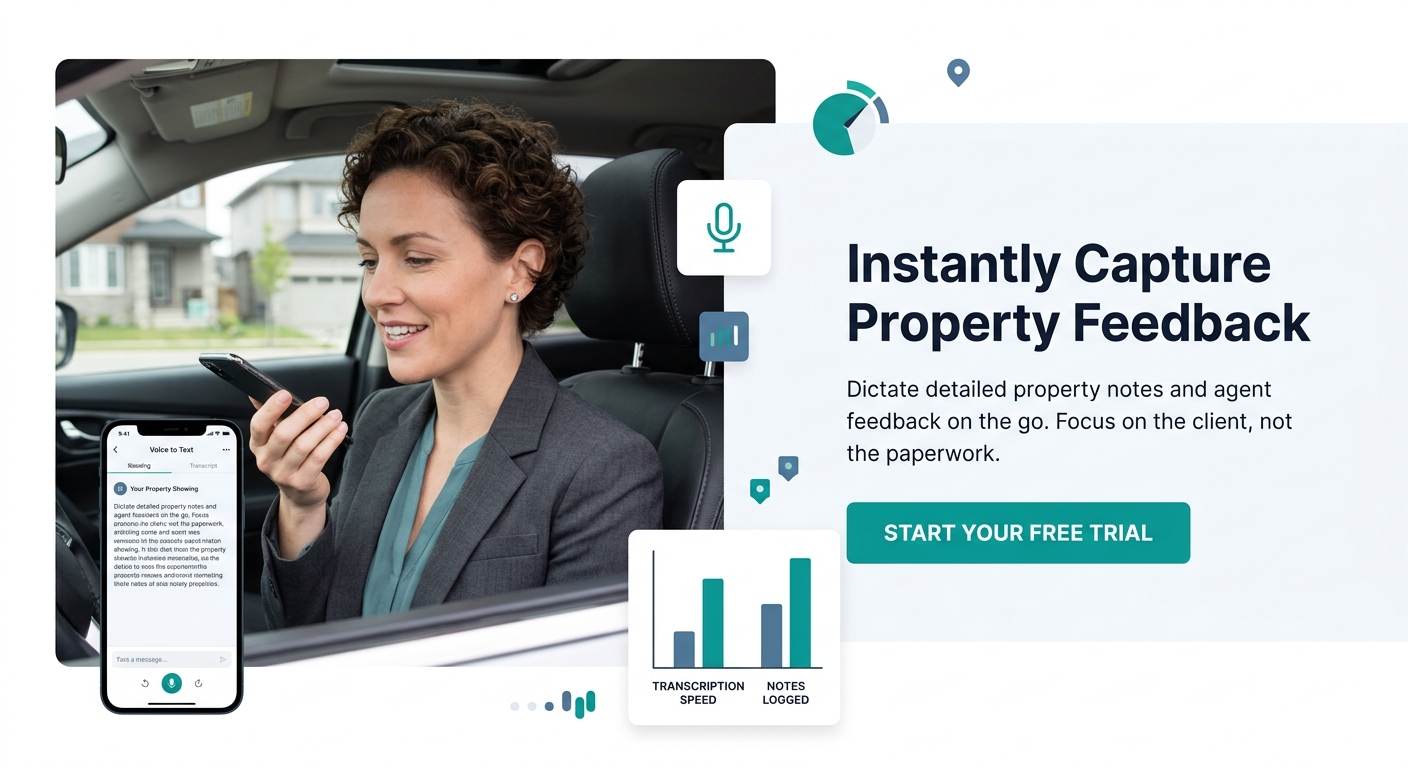
The critical implementation window spans the first three months after a brokerage introduces an AI platform, according to Maneiro. Brokerages that roll out tools without teaching agents to integrate them into existing routines—such as dictating offer details to AI assistants during car rides after buyer meetings—see adoption stall, he said.
“Rolling out a tool instead of a habit, that’s where I would start,” Maneiro told HousingWire. “Agents are busy, and when you give them something new to do, it becomes a chore rather than part of your daily workflow.”
The distinction between access and integration separates successful deployments from expensive failures. Agents who treat AI platforms as add-on tasks rather than workflow replacements abandon the technology within 90 days, Maneiro reported based on patterns observed across his annual training cohorts.
Three Warning Signs That AI Adoption Is Failing
The earliest indicator that an AI rollout will fail surfaces when agents ask “How can we use this to make money?” after completing initial training, Maneiro said. That question signals the brokerage failed to demonstrate specific use cases tied to revenue-generating activities, making adoption unlikely.
“If an agent says that to you after you’ve done training or after you’ve rolled out a tool, it’s almost certainly going to fail because you haven’t given them that relative story,” Maneiro told HousingWire. Agents need a moment where workflow changes click into place, he added, noting that busy agents default to existing routines that already produce results.
The warning extends to training programs that demonstrate how tools work without specifying which job tasks to delegate to AI. Maneiro described this pitfall as training that stops at “here’s how it works” and never reaches “here’s the job you hand it,” leaving agents impressed but unequipped to change behavior.
Context-Rich Prompts Separate Quality Outputs From Generic Results
Agents who supply additional context when prompting AI tools generate marketing materials distinct from competitors, while generic prompts produce identical outputs across the market, Maneiro explained. The skill gap matters as AI tools become universally available but expertise in using them remains unevenly distributed.
A generic prompt requesting “a marketing strategy for my new listing” delivers weaker results than a detailed prompt specifying the property, ideal buyer profile, location advantages, and standout features, he told HousingWire. Teaching agents to frame outputs and provide context represents the most valuable training investment brokerages can make, according to Maneiro.
The contextual prompting framework aligns with guidance published by other real estate AI trainers, including a seven-step ChatGPT workflow that instructs agents to verify property facts before AI drafting. Industry observers note that agents already subscribe to agentic AI tools capable of completing multi-step tasks but lack training to deploy them effectively.
Stacked Learning Model Replaces One-Time Rollout Events
Effective implementation requires ongoing weekly check-ins where trainers assign one task for agents to complete, review results the following week, and layer additional complexity incrementally, Maneiro said. This stacked learning approach replaces the common pattern of one-time rollout events followed by silence from brokerage leadership.
“Show one thing that they can do with it this week. Do it, and then next week we’re going to meet again and talk about what you did and what else you can do with it,” Maneiro told HousingWire. The model mirrors skill-building approaches in fields outside real estate that prioritize habit formation over feature demonstrations.
Brokerages that adopt stacked learning see higher tool utilization rates because agents integrate AI into daily routines one workflow at a time rather than facing wholesale process overhauls, according to Maneiro. The method particularly suits agents who resist change when existing systems already produce acceptable results.
Admin Tasks and Weak-Skill Areas Make Best AI Delegation Targets
Agents should delegate administrative tasks and activities where they lack strong skills—such as writing property descriptions and developing marketing strategies—to AI platforms while reserving client relationship management for human interaction, Maneiro advised. The division of labor frees agents to focus on high-value activities that AI cannot replicate.
“That client relationship and talking our clients off a ledge at 11 o’clock at night when a deal might be falling apart—there’s no way AI can ever ever replace that,” Maneiro told HousingWire. Everything that pulls agents away from direct client experience qualifies as an AI delegation candidate, he added.
The framework positions AI tools as competency amplifiers rather than agent replacements, addressing industry concerns about job displacement. Maneiro’s guidance targets practical implementation questions that surface after brokerages complete initial tool purchases but before agents achieve productivity gains.
The Takeaway
The training investment gap—not tool capability—explains why many real estate brokerage AI rollouts fail to change agent behavior, according to a team leader who conducts 600 training sessions annually. Brokerages that match technology spending with two-to-three times that amount in training budgets, implement weekly check-ins using stacked learning models, and teach context-rich prompting techniques see higher adoption rates than competitors who treat rollouts as one-time events.
For agents evaluating whether their brokerage’s AI implementation will deliver competitive advantage, the presence or absence of ongoing training structure after the initial rollout predicts success more reliably than the platform’s feature set. The pattern holds across the 98 percent of brokerages that now offer AI tools, where access has become universal but effective use remains concentrated among agents whose firms invest in habit formation rather than just software licenses.
Agents seeking to extract value from existing AI subscriptions can begin by identifying one administrative task to delegate this week—such as drafting follow-up emails or generating property marketing content—and measuring time savings before adding complexity, following the stacked learning model Maneiro described. The incremental approach converts tool access into workflow transformation without requiring wholesale process redesign that busy agents typically resist.