
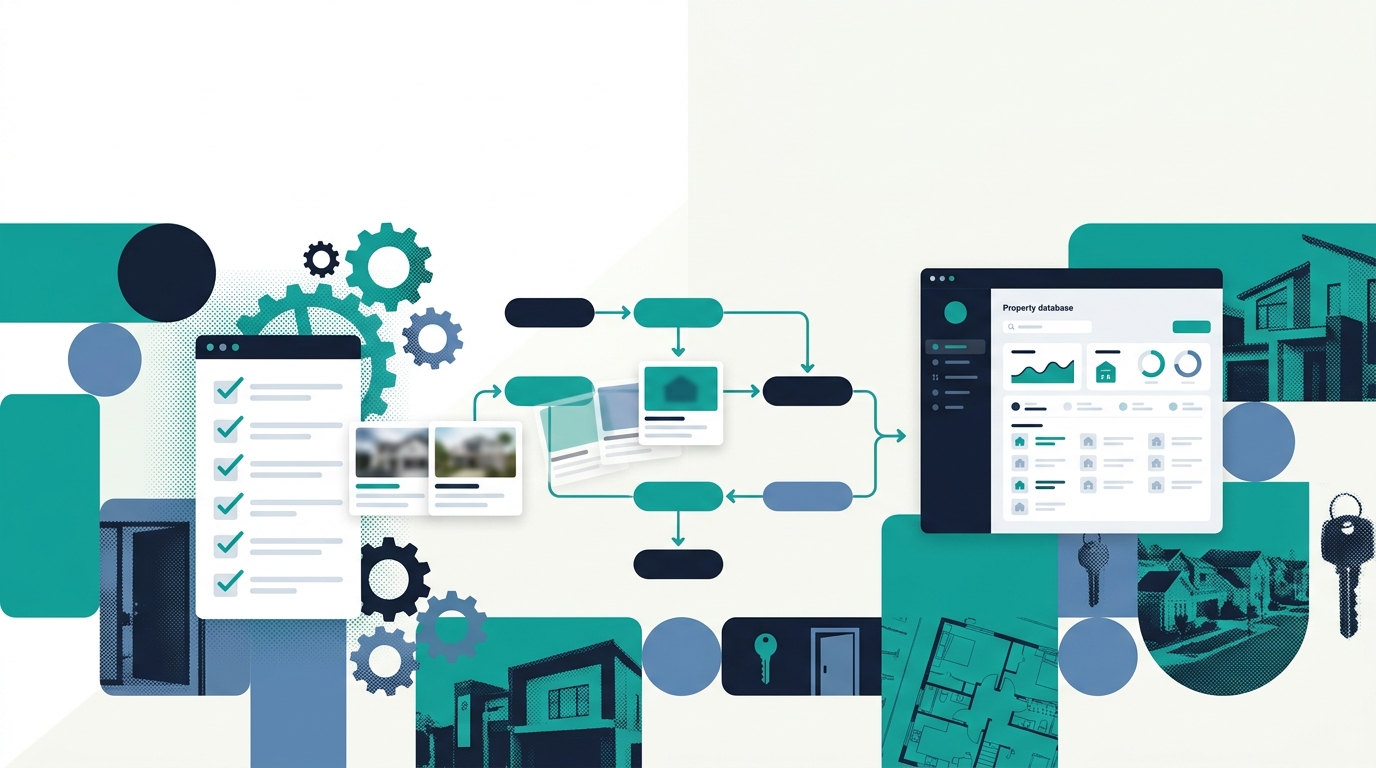
Real estate website automation platforms now handle nine distinct client-facing workflows without agent intervention, spanning MLS listing updates, lead capture, drip email campaigns, and social media content generation, according to a workflow implementation guide published August 12 by myRealPage.
TL;DR: Canadian platform myRealPage published a guide detailing nine client workflows agents can automate through modern website platforms, addressing manual tasks that consume hours weekly.
The guide targets time-sink activities that typically slip when agent calendars fill with showings and negotiations, according to the publication. Each workflow identified meets criteria for measurable time savings, direct client relationship impact, and MLS integration compatibility for Canadian agents operating under board-specific compliance requirements.
MyRealPage’s platform updates listings every two hours with fresh data from regional MLS boards, including price changes, status updates, and new photos, the guide states. The system operates on month-to-month billing without contracts, with Canadian MLS coverage built for board-specific compliance rules.
MLS Integration and Data Workflows
Automated MLS syncing eliminates manual property data entry by pulling scheduled updates throughout the day, the guide explains. When listing prices drop, properties enter conditional status, or new photos upload to regional boards, website changes appear automatically without agent input.
The system handles photo and media syncing, bringing new images, virtual tours, and floor plans into website displays without manual uploads. Status changes across active, pending, sold, and terminated categories update automatically while maintaining compliance with MLS display rules, according to the publication.
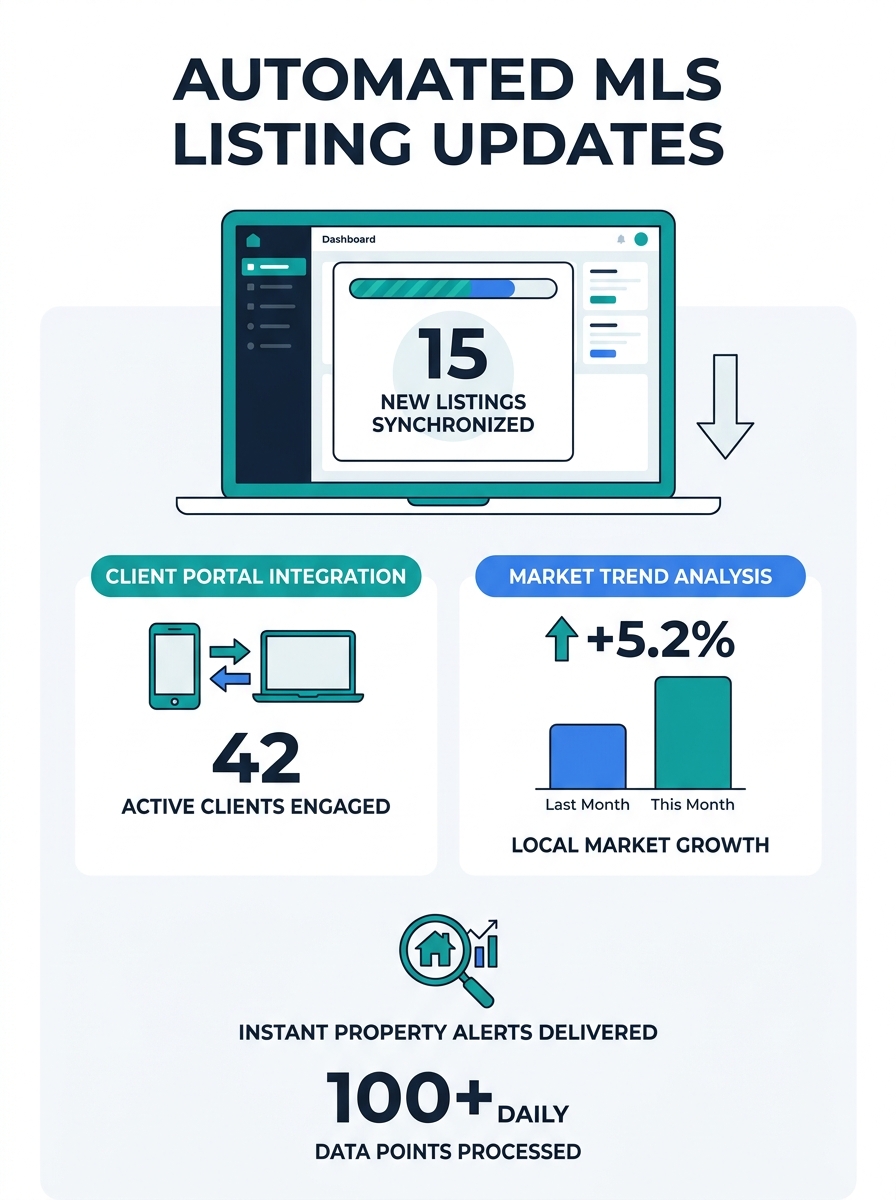
Home valuation follow-up sequences engage seller leads through automated workflows triggered when property owners request valuation estimates through agent websites, the guide notes. The automation maintains contact with potential listing clients without requiring manual email composition for each inquiry.
Lead Management Automations
Registration gates convert anonymous website visitors into identified contacts by prompting information sharing before granting access to detailed listing data, saved searches, or gated content like sold price histories, according to the workflow breakdown. Once registered, agents receive permission to maintain ongoing communication with prospects.
The platform’s lead capture tools include customizable registration forms, progressive profiling that gathers additional details over time, and direct CRM integration that flows new contacts into management systems, the publication states. Integration options include Follow Up Boss, kvCORE, and Mailchimp through the platform’s integration hub.
Instant lead response automation acknowledges new inquiries immediately with personalized messages, addressing research showing first-responding agents typically win business despite most inquiries arriving outside regular office hours. Related coverage of lead response timing frameworks published by marketing automation vendors in August 2026 demonstrated two-hour response delays cost agents measurable deal flow.
Saved search alerts notify registered buyers when properties matching their criteria enter the market, the guide explains. The automation monitors new MLS listings against buyer preferences and triggers notification emails without agent intervention.
Marketing and Content Workflows
Drip email nurturing maintains prospect contact over weeks and months through scheduled message sequences, according to the publication. The automation addresses the problem of leads falling out of agent databases when manual follow-up lapses during busy periods.
Social media content creation generates branded posts from live listing data, the guide states. Agents can produce feature sheets, postcards, and social posts directly from MLS listing information without manual template work. Real estate AI adoption trends tracked in 2026 show 98.1% of brokerages now implement some form of automation technology.
Past client and sphere outreach workflows maintain referral relationships through automated contact sequences, targeting the database segments most likely to generate repeat business and referrals. The automation runs on predetermined schedules without requiring agents to manually track anniversary dates or milestone events.
The platform builds landing pages for specific campaigns, including pre-construction projects, single property showcases, and home evaluation tools that capture targeted leads, according to the workflow guide. Auto-newsletter functionality sends branded listing updates to agent databases without manual campaign building for each property.
Brokers Implications
Agents evaluating website automation should inventory which manual tasks currently consume the most weekly hours—MLS data entry, lead follow-up, or content creation—to prioritize workflow adoption by measurable time savings rather than feature counts. The specific two-hour MLS sync cycle and month-to-month billing structure myRealPage cites provide benchmarks for comparing competing platforms.
Teams managing multiple agents can deploy registration gates and instant response automation to capture leads arriving outside individual agent availability windows, converting after-hours website traffic into morning follow-up queues. The progressive profiling approach lets brokerages build richer contact records over time without front-loading registration forms that reduce conversion rates.
Canadian brokerages operating under provincial MLS compliance requirements should verify that automated listing display systems handle board-specific attribution and formatting rules before implementation, avoiding manual compliance reviews for each property update. U.S. brokerages evaluating similar platforms can assess whether IDX feed automation delivers comparable data freshness to the two-hour cycle myRealPage specifies for Canadian boards.