
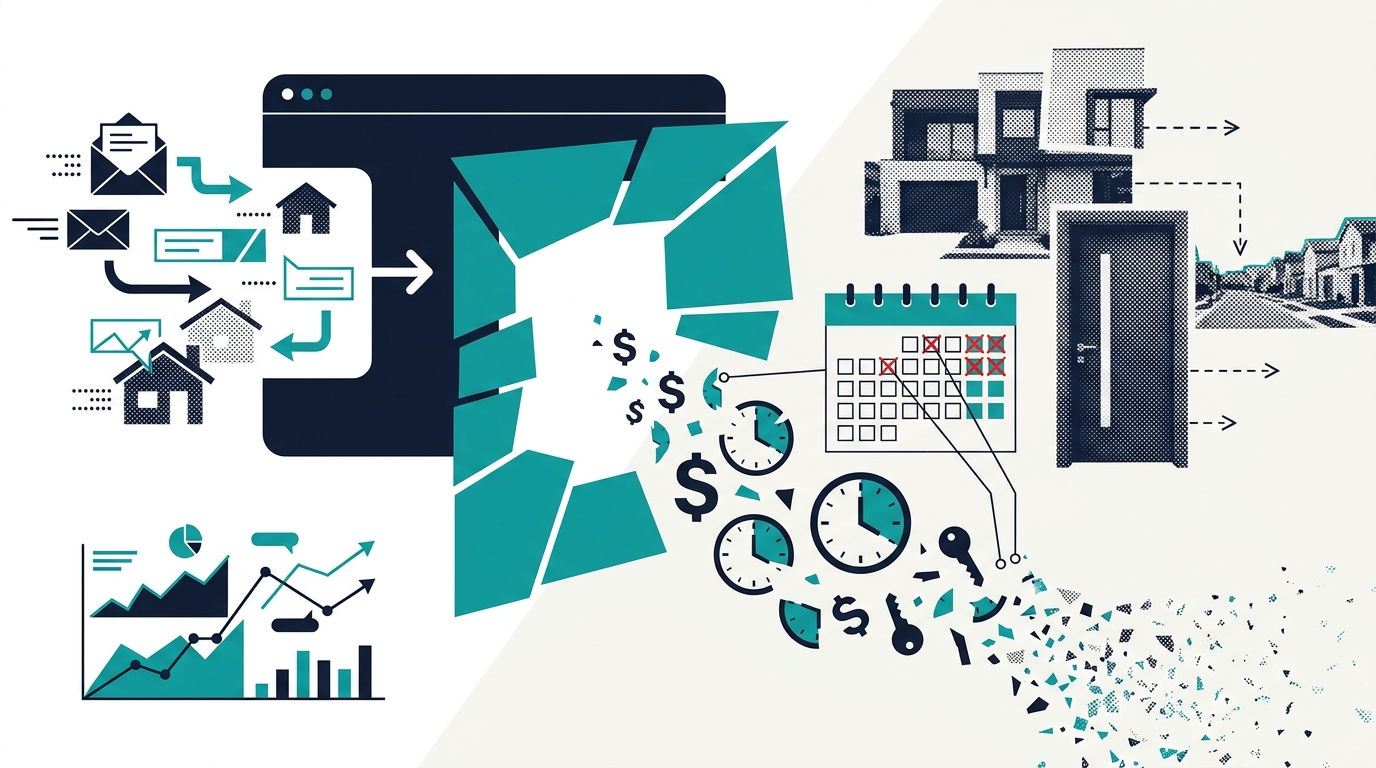
Real estate agents forfeit an average of $192,000 in annual commission revenue by failing to respond quickly to inbound buyer and seller inquiries, according to an analysis published June 24 by HousingWire. The calculation, based on 10 missed or slow-response leads per month at typical 20% conversion rates and $8,000 average commissions, highlights response time as a major revenue leak even among agents who invest heavily in lead generation.
TL;DR: Real estate agents lose an estimated $192,000 per year in commission revenue from missed or slow responses to just 10 leads per month, according to a June 24 HousingWire analysis that identifies response speed as a critical conversion bottleneck.
Seth Schumann, owner of Visionary Path AI, outlined the mechanics of the loss in the analysis: leads arrive through websites, listing platforms, or referrals during showings or after business hours, receive no timely acknowledgment, and move to competing agents before the original contact returns the call.
The Response Gap Drives Lead Abandonment
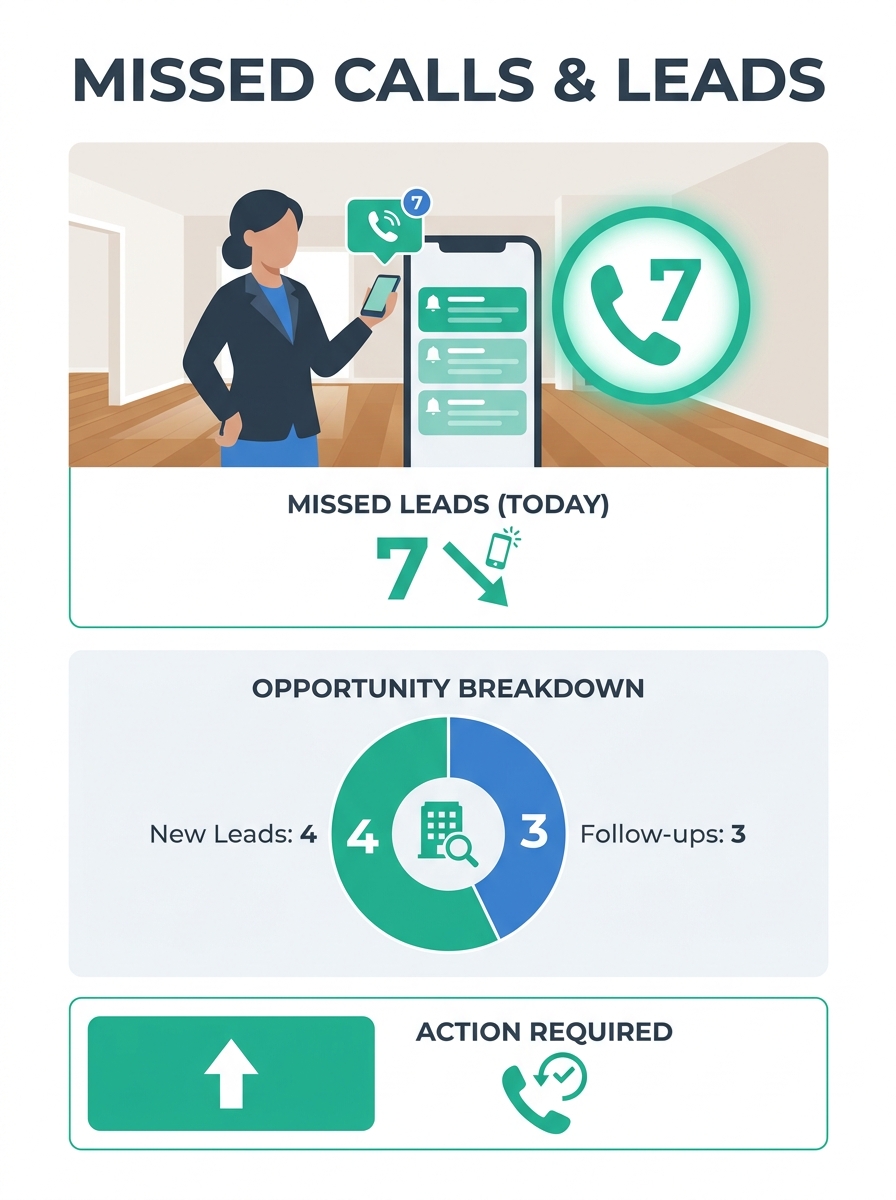
The analysis identifies five recurring scenarios where inquiries slip away. Agents miss calls while conducting showings or meeting with existing clients. Inquiries submitted after 5 p.m. or on weekends sit unacknowledged until the next business day. Lead notifications arrive in email inboxes or CRM platforms but get buried under existing workload. No systematic follow-up protocol exists for web form submissions or Zillow inquiries. Peak-season volume surges overwhelm solo agents who lack backup support.
Schumann noted that buyers touring properties on Saturday afternoons contact multiple agents simultaneously and commit to whoever responds first with availability and market knowledge. Sellers ready to list sign representation agreements with the first agent who presents a pricing strategy and marketing plan, often within hours of their initial inquiry.
The revenue calculation assumes a 20% conversion rate on properly followed leads—two closed transactions monthly from 10 recovered inquiries. At an $8,000 average commission, that represents $16,000 in monthly revenue or $192,000 annually. The analysis does not account for referral business or repeat transactions from those clients, which typically double or triple lifetime customer value in residential real estate.
Tracking and Technology Close the Gap
The analysis recommends four operational changes. First, agents should track weekly response metrics: total inquiries received, average response time, and percentage that went unanswered beyond 24 hours. Without measurement, improvement remains guesswork, according to the framework.
Second, after-hours and in-showing coverage requires automation or staffing solutions. Automated acknowledgment messages notify prospects that their inquiry was received and set response-time expectations, reducing abandonment rates while the agent finishes current client obligations.
Third, a documented follow-up process standardizes how quickly inquiries receive replies, what initial messaging conveys, and when secondary follow-up occurs. Basic CRM tools with task reminders prevent leads from disappearing after initial contact, the analysis states.
Fourth, lead-handling technology can capture contact details automatically, pre-qualify prospects through intake forms, and route inquiries to available team members—capabilities that level the playing field between solo practitioners and brokerage teams with dedicated inside sales staff.
Many agents optimize their property websites for conversion but lack systems to manage the leads those sites generate. The gap between marketing investment and response infrastructure creates what Schumann describes as “lost commissions that go unnoticed month after month.”
For agents building or improving their online presence, starting with purpose-built property websites that integrate lead capture with CRM workflows addresses both sides of the conversion equation—generating inquiries and ensuring timely follow-up.
Why This Matters Now
Lead generation remains the largest line-item expense for most real estate agents, whether through Zillow Premier Agent fees, paid search campaigns, or listing syndication partnerships. The June 24 analysis reframes the conversion problem: it’s not insufficient lead volume but inadequate response infrastructure that drives revenue loss.
The $192,000 annual figure assumes only 10 missed leads monthly—a conservative estimate for agents actively advertising. Higher-volume practices with 20 or 30 monthly missed responses face proportionally larger losses, while agents who track and optimize response time gain competitive advantage without increasing marketing budgets. Buyers and sellers now contact multiple agents simultaneously through listing platforms and social channels, compressing decision windows to hours rather than days.
The analysis arrives as real estate markets show seasonal volatility and agents seek operational use. Response-time optimization costs less than additional lead acquisition and delivers measurable ROI through existing traffic, making it an accessible growth lever for solo agents and small teams without marketing departments or administrative staff.